
Diamond Painting Guides

A Creovia beginner guide
How to Use a Diamond Painting Roller Without Pressing Too Hard
A practical guide to using a ribbed diamond painting roller on placed drills, with a light touch and a small test section first.
A diamond painting roller is a finishing aid for drills that are already on the canvas. Its ribbed surface is designed to press and align placed drills across a completed section. It is not a substitute for matching each drill to the symbol, and it cannot repair a damaged adhesive area or correct a color placed in the wrong location.

What a roller can—and cannot—do
You also do not need a roller to finish every canvas. If the drills look aligned and feel secure, careful placement may be enough. The tool is most useful when a completed patch could benefit from a gentle, even pass. For the basics of pen, tray, and placement methods, see the diamond art tools guide.
Check the canvas before rolling
Finish a manageable section first. Compare the drills with the printed symbols and key, then look across the surface at a shallow angle. Make sure there are no loose packets or tools under the canvas that could create a bump. If your work surface is uneven, move the canvas to a clean, flat area before using pressure.
The roller’s product listing describes a detachable, ribbed roller and says it is suitable for both round and square canvases. Because canvases and drill placement can vary, begin with a small, less noticeable section. Do not assume that a roller should be used over unworked adhesive or uncovered areas.
Make one light, controlled pass
Hold the handle comfortably and set the ribbed roller on the completed section. Apply a light, even pressure and roll slowly across a short area. Keep the roller level instead of bearing down with your body weight. Lift it at the edge, inspect the drills, and decide whether another gentle pass is useful. Several careful checks are easier to control than one forceful pass.

Pause if drills move, the canvas bows, or the adhesive film lifts. A roller should not be used to force a drill into place. Correct isolated placement problems with the method recommended for your canvas; this guide to misplaced drills covers small corrections.
Round and square drills need the same careful test
Creovia lists its roller as suitable for round and square diamond painting canvases, but the finished surface can feel different. Round drills leave small spaces between pieces; square drills sit closer together when aligned. In either case, test a small patch and inspect the result before working across a large area.
If you are choosing a canvas rather than using a roller, compare the pros and tradeoffs in round vs. square diamond painting. The roller does not change the drill shape or the way the design is charted.
Clean and store the tool after the session
The product listing describes the roller as detachable for cleaning and storage. Follow its care instructions, remove any visible residue gently, and let the parts dry before storing them together. Keep the tool away from loose drills and adhesive surfaces when it is not in use.
Creovia’s diamond painting roller is an optional tool with six listed color variants. Review the current listing for price, color availability, and full product details. For more designs, browse the diamond painting collection and check each kit page for the available drill shape and included tools.
When to skip the roller
Skip rolling if drills are visibly loose, the adhesive is exposed, the canvas has a crease, or you are unsure whether the surface can take pressure. Resolve the underlying issue first rather than trying to flatten it with force. If a section already looks even and secure, leaving it alone is a sensible choice.
Think of the roller as an optional check at the end of a small section: test, pass lightly, inspect, and stop when the surface looks even. That keeps the process controlled and avoids treating pressure as a shortcut for careful placement.
Check the canvas before and after rolling
Before using a roller, make sure drills are placed in their intended positions and the protective cover is not trapped beneath the canvas. Move the tool across a small area first, then inspect the surface from a low angle. The goal is to even out placement gently, not to force every drill into a tight grid. If a drill shifts or the canvas feels unstable, stop and correct the cause rather than adding more pressure. A roller cannot fix a mismatched symbol or a drill placed outside its adhesive area.
Frequently asked questions
What does a diamond painting roller do?
A ribbed roller can help press and align drills that are already placed on the adhesive canvas. It is an optional finishing aid; it does not replace careful placement or a canvas-specific care check.
When should I use a roller on diamond painting drills?
Use it after completing a small section, once the drills are placed and aligned. Start with a test area and follow the roller maker’s directions.
How much pressure should I use with a diamond art roller?
Begin with a light, even pass. The roller listing recommends rolling gently across completed sections. Stop if drills shift, the canvas wrinkles, or the adhesive surface lifts.
Can I use a roller with round and square drills?
Creovia’s roller listing says it is suitable for both round and square canvases. Try a small section first because drill spacing and canvas behavior can vary by kit.
Do I need to use a diamond painting roller?
No. It is an optional tool. Many projects can be completed with careful placement and the tools supplied with the specific kit.
Find your next project
Choose a design you’ll love bringing to life.

Colorful Village Street Diamond Painting Kit
$23.99

Pink Dragon Cherry Blossom Pagoda Diamond Painting Kit
$23.99

Colorful Rose Bouquet Diamond Painting Kit
$23.99
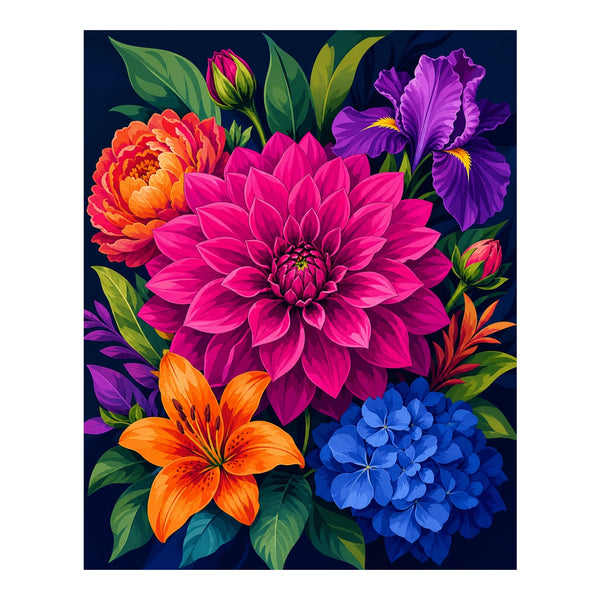
Vibrant Garden Bloom Diamond Painting Kit
$23.99
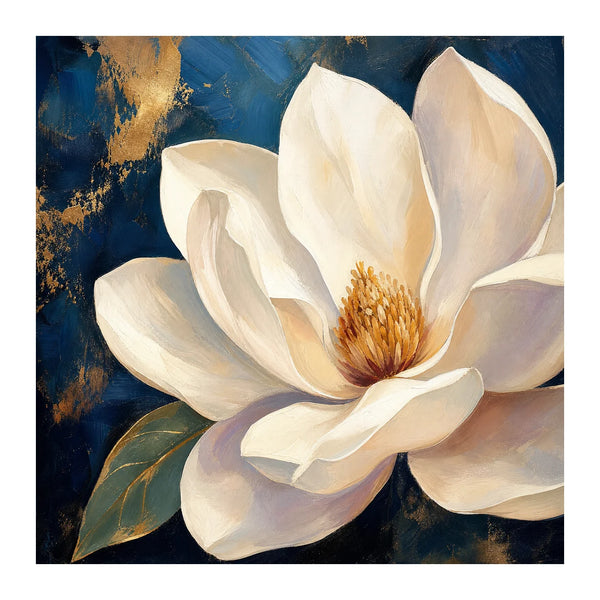
Ivory Blossom On Midnight Diamond Painting Kit
$25.99
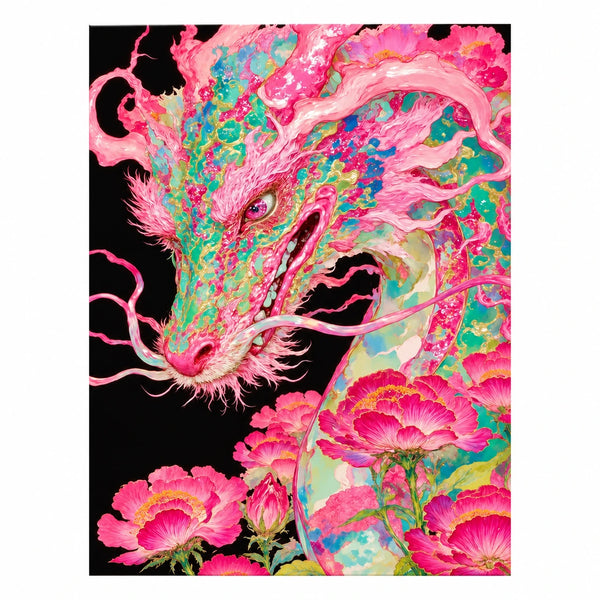
Pink Dragon Among Peonies on a Black Background Diamond Painting Kit
$23.99

Luminous Butterflies and Fiery Roses Diamond Painting Kit
$23.99
