Pearl Art Guides

A Creovia beginner guide
Ocean Pearl Art Kits: Sea Turtle, Octopus, or Blue Whale?
Compare sea turtle, octopus, and blue whale pearl art by silhouette, blue color range, visual detail, and the format offered on each product page.
Choose an ocean pearl art kit by looking at the animal’s outline first, then the blues around it. A sea turtle spreads across the picture with its flippers and patterned shell. An octopus fills the middle with curling arms. A blue whale reads as one long, calm shape against waves. Those differences are easier to spot in the full artwork than in a small product thumbnail.
Creovia currently lists all three as pearl art kits, with framed and canvas-only options shown on their individual pages. These are craft projects, not finished marine decorations. The examples below refer to the artwork visible on the checked product images. For exact contents, dimensions, and currently available variants, use the written details on the product page before you order.
Start with the shape you want to see from across the room
Blue does much of the visual work in an ocean picture, so it is tempting to choose by color alone. Pull the image back to thumbnail size instead. Can you still recognize the animal? The turtle has a broad shell and four flippers, which make a compact shape. The octopus has a central head and several arms that push the eye outward. The whale creates a wide diagonal that crosses a large part of the square design.
This quick view matters if the finished piece will hang among other pictures. A bold animal silhouette tends to remain legible at a distance; the smaller bead and wave details reward a closer look. Neither is automatically better. Decide which view matters more in the room where you hope to display it.
Sea turtle: a detailed shell and a busy foreground
The Sea Turtle Underwater Pearl Diamond Painting Kit shows one turtle moving through bright blue swirls. Its shell is divided into dark blue sections, while the lower part of the picture contains pale shells, sea plants, and star-shaped sea details. The animal sits near the center rather than appearing as a small accent in a landscape.
Choose this artwork if you want the eye to move between the turtle and its surrounding details. The shell pattern creates an obvious place to begin viewing, and the pale objects along the bottom provide contrast with the dense blue water. Zoom in on the full listing image before buying: small decorative areas that look like a single highlight on a phone are more noticeable on a square canvas.
The title describes a sea-turtle scene, not a biological species or a real reef location. We are describing the printed design, not making a claim about wildlife, materials, or a particular sea habitat.

Octopus: a centered subject with movement in every direction
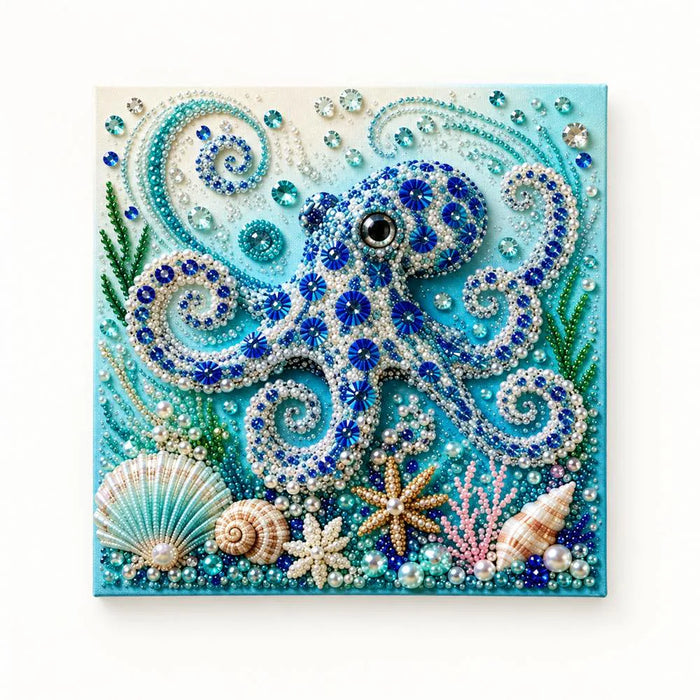
The Ocean Octopus Pearl Diamond Painting Kit places a blue octopus in the center. Its arms curl around the body, with light blue swirls and shells beneath them. This picture has more changing curves than the turtle image. Your eye can follow one arm into the next, then return to the face.
If you enjoy a playful, energetic subject, the octopus makes sense. It may also feel visually fuller on a small square canvas because the arms reach toward several edges. Look at the contrast between the deep blue bead areas and the paler water behind them; that is what keeps the arms readable. If you prefer a quieter picture with one sweeping line, compare the whale before deciding.
Do not mistake the shapes in our editorial illustrations for the actual kit. The octopus product page is the source for the design and contents you would receive.
Blue whale: one sweeping form with ocean detail beneath it
The Blue Whale Underwater Pearl Diamond Painting Kit shows a blue-and-white whale extending diagonally through a field of waves and sea details. The whale’s body is the clearest single shape of the three. The foreground is still detailed, with shells and small blue ornaments, but the animal anchors the composition before those smaller shapes come into focus.
That makes the whale useful if you want an ocean picture that reads quickly from a few steps away. Its blue body also gives you a long run of related shades to compare. The white underside and pale water keep the image from turning into one undifferentiated blue block. Check the full image for the exact balance of dark and light areas; screen brightness can change how close two blues appear.
Only the current product listing can confirm what kit options are available when you buy. Do not assume the three ocean designs share identical stock or every size shown in a general collection.
How much blue is the right amount?
Color preference is a practical buying filter. The turtle design mixes turquoise water with cream-colored shell details and green sea plants. The octopus image uses strong cobalt around the animal and lighter aqua in the background. The whale design has a broad dark-blue body against lighter waves and a bright lower edge. View them together on the same screen if possible; individual product pages can make similar palettes look more different than they are.
Think about the wall or shelf, too. In a pale room, the whale’s long dark shape may become the strongest accent. In a room with other blue objects, the turtle’s warmer shell tones or the octopus’s curling outline might be what makes the piece distinct. These are design judgments, not claims about which kit looks “best” for everyone.

Check the actual kit format before you choose
At the time of this Shopify inventory check, each of these three listings showed both 20 × 20 cm framed and 20 × 20 cm canvas-only variants as available. Larger variants appeared in the catalog but were not available for sale in this check. Availability can change, so select the option shown on the individual page rather than relying on an older article or another product’s dropdown.
A framed option may suit a gift or a ready display plan; canvas-only may suit someone who wants to choose a frame later. The listing is also where you should confirm the contents supplied with that particular kit. The hero image shows the expected artwork, but it is not a complete packing list. If you are choosing for a first project, our pearl painting beginner’s guide explains the craft, while the step-by-step pearl art guide covers the making process.
Match the picture to the person, not only the ocean theme
For a gift, ask which animal the recipient would pick without seeing a color swatch. Someone who collects turtles may enjoy studying the shell and little objects around it. Someone drawn to motion and unusual shapes may prefer the octopus. A person who likes simple, strong silhouettes may choose the whale even if all three use blue. The recipient’s taste is a better guide than an unsupported claim that one design is universally easier or more impressive.
Also think about where the project will be worked on. A flat, well-lit table gives you room to sort pieces and compare the color key with the canvas. Keep the supplied kit instructions at hand because materials and placement methods can differ. If you are choosing between pearl art and a related coded-canvas craft, our pearl painting versus diamond painting guide explains that distinction rather than treating their components as interchangeable.
Choose the design you would want to finish and display
If the shell and scattered seabed details are the appeal, start with the sea turtle. If you enjoy a lively center and curling lines, inspect the octopus. If you want a recognizable animal at a glance, look closely at the blue whale. Open each product page, compare the full artwork, and confirm the currently selectable format. The point of the comparison is to help you choose one picture you would still enjoy seeing after the making is done.
View the sea turtle pearl art kit View the octopus pearl art kit View the blue whale pearl art kit
Frequently asked questions
Which ocean pearl art kit has the clearest animal silhouette?
In the checked artwork, the blue whale forms one long, easy-to-read shape. The turtle has a compact shell and flippers, while the octopus has a centered body with curling arms. Compare the full listing images at a similar size.
Is the Sea Turtle Underwater Pearl Diamond Painting Kit available framed?
The Shopify listing showed a 20 × 20 cm framed variant as available during this check. Check the current product page before ordering because variant availability can change.
Does the Ocean Octopus Pearl Diamond Painting Kit show eight arms?
The checked design shows an octopus with curling arms around the centered body. Inspect the full product artwork for the exact printed layout rather than relying on an editorial illustration.
Are the ocean pearl art kits made from natural pearls?
The category name describes a pearl-like craft appearance. It does not establish that a kit contains natural or cultured pearls; confirm the specific materials in the product listing.
Should I choose a framed or canvas-only ocean pearl art kit?
Choose framed if you want the available display option offered on the listing. Choose canvas-only if you plan to select your own frame later. Confirm the current variant, size, and included contents on the individual product page.
Explore this topic
Explore related kits
Compare the current artwork and options on each product page before choosing.


Find your next project
Explore pearl art kits.
Aries Ram Pearl Diamond Painting Kit
$24.99
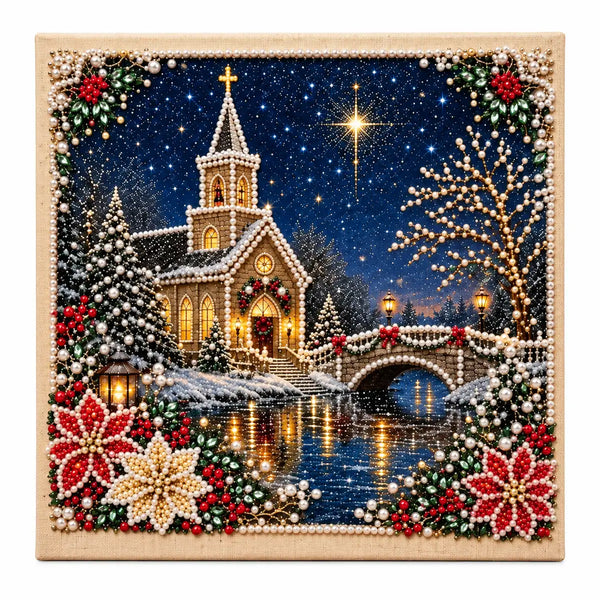
Snowy Church Christmas Night Pearl Diamond Painting Kit
$24.99
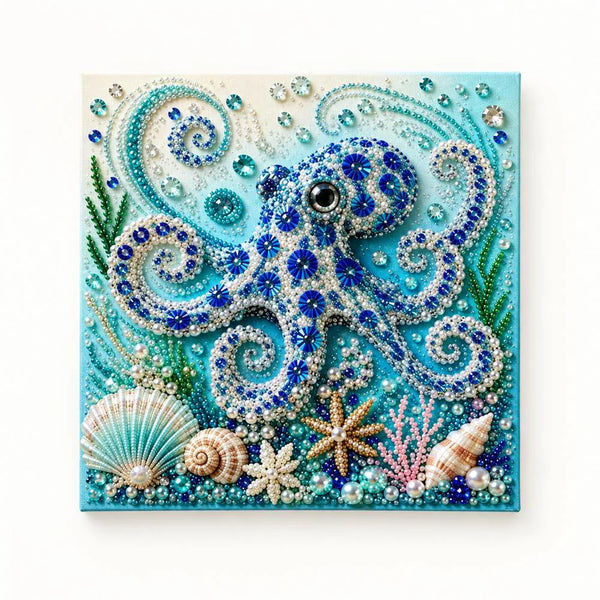
Ocean Octopus Pearl Diamond Painting Kit
$24.99
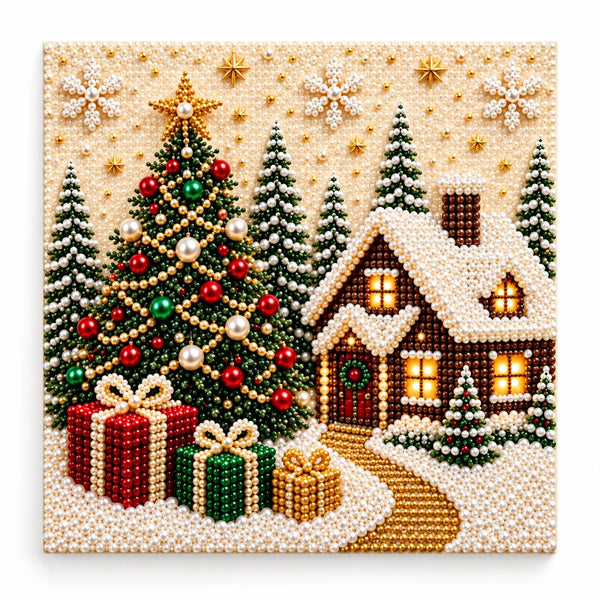
Christmas Cottage Pearl Diamond Painting Kit
$24.99
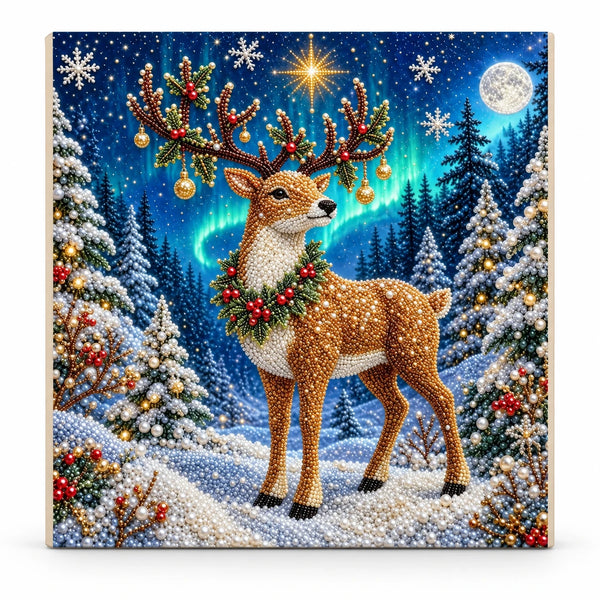
Aurora Christmas Reindeer Pearl Diamond Painting Kit
$24.99

Christmas Angel Pearl Diamond Painting Kit
$24.99
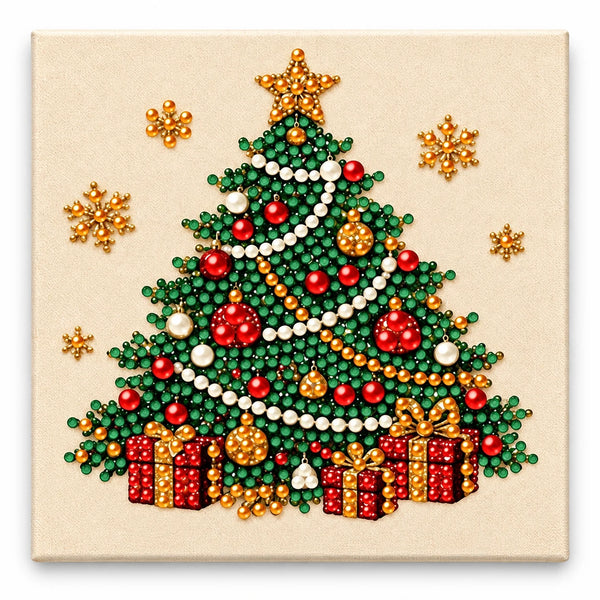
Christmas Tree Gifts Pearl Diamond Painting Kit
$24.99