
Paint by Numbers Guides

A Creovia beginner guide
How to Paint Cat Paws in Paint by Numbers
When a cat paw holds an object in paint by numbers, the most useful starting point is the boundary between the two. Follow that edge, then complete...
When a cat paw holds an object in paint by numbers, the most useful starting point is the boundary between the two. Follow that edge, then complete the paw’s light and shadow sections. Do not add toes or claws just because the simplified picture does not show them.
Find where the paw meets the arm
The Black Kitten Hugging Arm design places dark paws against a pale arm. Identify each visible paw separately and trace the short edge where it touches the arm.
On the canvas, confirm the numbers on both sides. A pale shape within the dark outline might be a gap or the arm showing between parts of the paw; it is not automatically a fur highlight.

Paint the overlap before chasing tiny anatomy
A few correctly separated shapes can suggest a curled paw without individual toe lines. Use a brush tip that fits the marked section and work in short strokes. Preserve the printed gaps instead of filling the whole area with one dark paint.
If a narrow section is unreadable, leave it while checking the key or reference. Guessing a new claw line can change the expression and hide the original guidance.
A paw on a book has a different boundary
The Cat Reading Book In Round Glasses artwork places the character among books and desk objects. Follow the paw in relation to the page or surface it touches, rather than copying the hugging kitten’s silhouette.
A page edge can pass behind the paw. Stop at the printed overlap and resume only where that edge becomes visible again. Do not join a book-colored section through the animal.

Review the grip from a normal distance
After the paint dries as directed, look at the cat and object together. Does the paw appear to rest on or hold the object, or has one shape merged into the other? Check the local separator colors before repainting a whole limb.
Both examples currently list 40 × 50 cm canvases, color-count choices, and No Frame, DIY Frame, or Framed styles. Use the color-key guide for paint matching. The goal here is the printed overlap, not a new anatomical drawing on top of the kit.
Frequently asked questions
Should I add toes to a cat paw in paint by numbers?
Follow the printed design first. A simplified paw can use light, shadow, and its outline without showing each toe separately.
Why does the paw blend into the object it holds?
Check the boundary colors and any small gap between them. Extending fur color into an arm or page can merge the two shapes.
Should I continue a book edge through the paw?
No. Preserve the printed overlap and resume the edge only where the book becomes visible again.
What is a practical starting point for painting a gripping paw?
Choose a short, clearly numbered boundary where the paw meets the object. Confirm the paint on both sides before extending either section.
Find your next project
Explore paint by numbers kits.
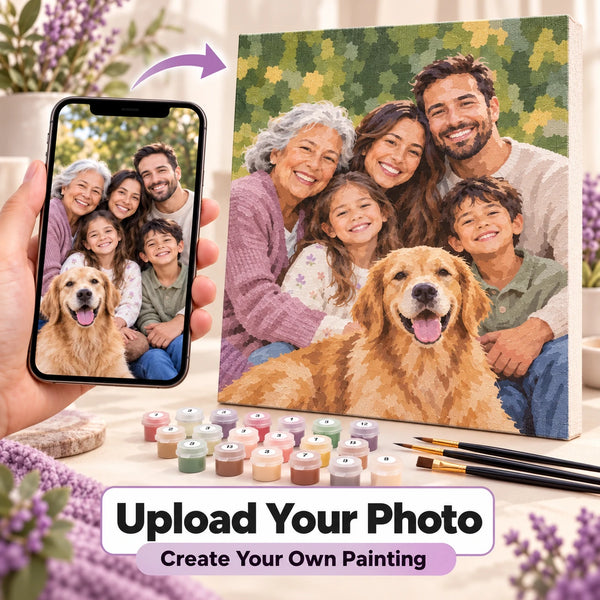
Custom Paint by Numbers Kit From Your Photo
$34.99

Bunny Tea Party Paint by Numbers Kit
$29.99

Moonlit Ocean Serenity Paint by Numbers Kit
$29.99

Tall Sailing Ship Golden Sunset Paint by Numbers Kit
$29.99

Herb Bundles in a Spell Kitchen Paint by Numbers Kit
$29.99
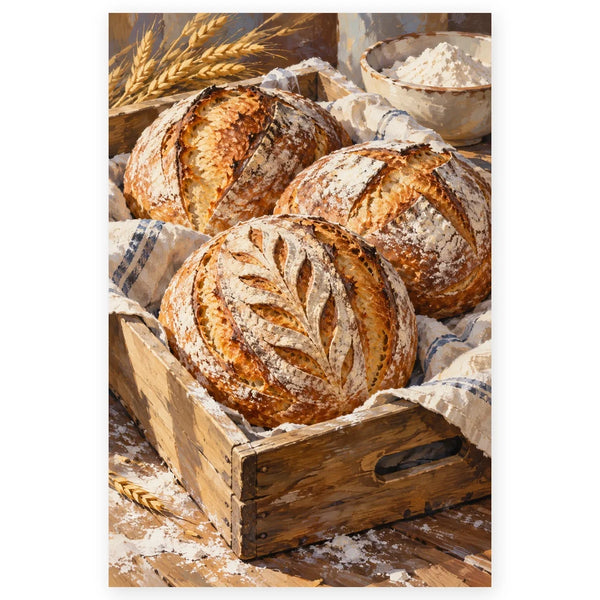
Sourdough Loaves Bakery Crate Paint by Numbers Kit
$29.99

Wood Fired Oven Sourdough Bread Paint by Numbers Kit
$29.99
