Paint by Numbers Guides

A Creovia beginner guide
Watercolor-Style Paint by Numbers: Check the Paint, Not Just the Picture
A watercolor look does not tell you what is in the paint pots. Learn how to check the material, read the design, and choose the right kind of project.
A watercolor-style paint by numbers kit can contain acrylic paint. “Watercolor” may describe the look of the artwork rather than the material in the pots. Check the written contents before buying, and use the instructions for the paint actually supplied. A soft gray background is not a reason to flood a numbered canvas with water.
This distinction matters if you are choosing between two quite different activities: following a numbered design with prepared colors, or learning to make watercolor washes. Both can produce a picture you enjoy, but the work at the table will not be the same. Start with the process you want, then choose the image.
Find the material statement before choosing a technique
Read past the artwork title to the description of the paint and surface. Look for a clear term such as acrylic or watercolor, the supplied surface, and any preparation instructions. A product photograph can show a misty landscape or flowing mane without telling you any of those things.
Use three separate questions when you check a listing:
- What is the picture's style? Look at its edges, colors, and composition.
- What is the paint? Read the stated material in the contents.
- What will I do? Check whether you fill numbered shapes, mix colors, or follow a different method.
If a title and a materials list seem inconsistent, ask about the materials before ordering. Do not try to resolve the uncertainty by assuming that the artwork's appearance proves what the kit contains. The same subject can be reproduced through several painting processes.
A real example: the Black Horse Watercolor Portrait kit
Creovia's Black Horse Watercolor Portrait Paint by Numbers Kit uses the word “Watercolor” in its artwork name. Its written description specifies a 40 × 50 cm numbered linen canvas and 24, 36, or 48 pre-mixed acrylic colors. Those are the materials to plan for.
The product image shows a dark horse against a light background, with gray and warm gray-brown shapes extending through the mane and around the portrait. From a distance, the loose-looking outer shapes suggest a wash. Up close, the picture is built from separate areas of color. You do not need to invent a watery background to reproduce the design.
The listing also offers No Frame, DIY Frame, and Framed choices. No Frame is a rolled canvas; DIY Frame includes four wooden rails for assembly; Framed arrives hand-stretched on a wooden frame. Those choices concern the support, not a change from acrylic to watercolor. Check your selected color count and frame option together before adding the kit to your cart.
View the horse kit and its options

Why distinct shapes can look soft in the finished picture
Look at the whole reference image, then inspect a smaller area. A pale shape beside a slightly darker one may help describe a shadow or a fading edge. It does not necessarily need to be blended away. In a numbered design, several adjacent values can contribute to a transition when you step back.
This is especially useful to remember around hair, fur, clouds, and light backgrounds. While working close to the canvas, you may see patches more clearly than the subject. Pause and compare the larger arrangement before changing the colors or smoothing every border.
Choose a small, complete section for your first progress check. A section that includes a light area, a middle tone, and a dark edge gives you more information than a single isolated patch. Fill the assigned shapes, allow the paint to dry as directed, and look at the section from a comfortable viewing distance. Keep the reference nearby so you are comparing the same part of the composition.
For a design that does call for softened transitions, our paint by numbers color-blending guide explains that separate decision. Blending is an optional technique to consider where appropriate, not something the word “watercolor” automatically requires.
Do not turn the supplied acrylic into a wash by guesswork
Winsor & Newton's material guidance on watercolor techniques explains that achieving watercolor-like effects with acrylic involves a different approach and that acrylic dries differently from watercolor. That general distinction is a reason to follow the instructions for the actual paint, not a dilution recipe for a Creovia kit.
Start with the supplied paint as directed. Do not add a large amount of water to every pot because the cover picture looks transparent. If the consistency seems wrong, keep the original labels, check the kit's directions, and deal with that paint problem separately. Changing the whole set at once makes it harder to work out what happened.
A dry brush, a dirty rinse brush, and an incorrectly matched color are also different issues. Check one at a time. If you cannot identify a pot, return to the printed key rather than trying to create a similar gray by mixing several colors. Our color-key guide covers how the printed references fit together.

Choose for the painting session you actually want
Choose a numbered acrylic project if you want a defined picture and a color-matching route through it. You can still make decisions about where to start and how carefully to work around small shapes, but the design gives you a structure.
Look for a kit explicitly made for watercolor if learning watercolor handling is the main goal. Confirm the paint type, the surface, and the included lesson or instructions. A watercolor-style image alone is not evidence that the kit teaches washes, lifting, or wet-on-wet work.
For a gift, ask about the activity as well as the subject. Someone may love horse pictures but prefer a guided numbered canvas. Another person may want an open-ended painting exercise even if the finished subject matters less. “Do you want to follow a picture or practice watercolor techniques?” is a more useful question than choosing by the cover alone.
You can also compare the amount of small detail in the reference image and the available space on the recipient's table. A restrained palette does not automatically make a design quick: closely related gray shapes can still require careful matching. Color count, canvas size, and the arrangement of the shapes answer different questions.
A quick check before you open the pots
- Confirm the stated paint material and read the supplied directions.
- Match the canvas and reference to the design you ordered.
- Keep the pot labels and printed key together.
- Prepare a stable work surface for your selected canvas format.
- Choose one manageable section, and follow its assigned colors before experimenting elsewhere.
Keep the distinction simple: the title helps you choose a picture; the materials list tells you what you are painting with. When those two pieces of information are clear, you can enjoy the watercolor-inspired appearance without expecting a different medium to be inside the box.
Frequently asked questions
Does watercolor-style paint by numbers always use watercolor paint?
No. Watercolor-style can describe the artwork. Read the materials list: Creovia's Black Horse Watercolor Portrait kit specifies pre-mixed acrylic paint on a numbered linen canvas.
Should I add water to acrylic paint to copy a watercolor-style design?
Do not add water just because the design looks like a watercolor. Follow the supplied paint instructions and assigned shapes. Resolve any paint-consistency problem separately before changing multiple pots.
Do I need to blend every edge in a watercolor-style paint by numbers kit?
No. Separate light and dark shapes may create the intended transition when viewed together. Compare a completed section with the reference before deciding that an edge needs blending.
Does choosing a frame change the paint material in the horse kit?
No. The Black Horse Watercolor Portrait listing specifies acrylic colors across its No Frame, DIY Frame, and Framed options. The frame choice changes how the canvas is supplied.
Is a watercolor-style numbered kit a lesson in watercolor painting?
Not necessarily. If your goal is to learn watercolor techniques, choose a kit that explicitly supplies watercolor materials and appropriate instruction. A numbered acrylic design offers a different guided process.
Find your next project
Explore paint by numbers kits.

Custom Paint by Numbers Kit From Your Photo
$34.99
Family Watching a Rural Sunset Paint by Numbers Kit
$29.99
View product
Easter Bunny in an Egg Basket Paint by Numbers Kit
$29.99
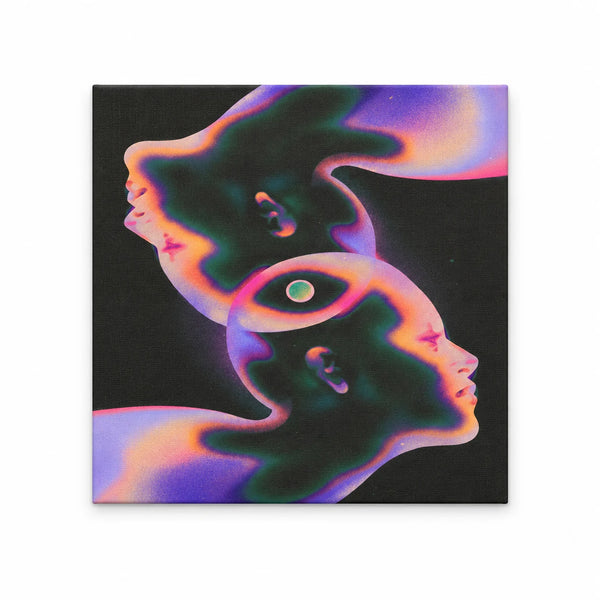
Cosmic Double Profile Portrait Paint by Numbers Kit
$29.99
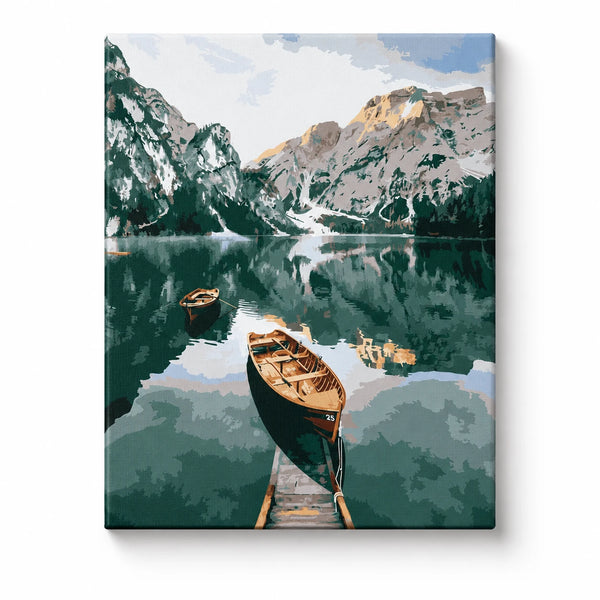
Alpine Lake Boats Paint by Numbers Kit
$29.99
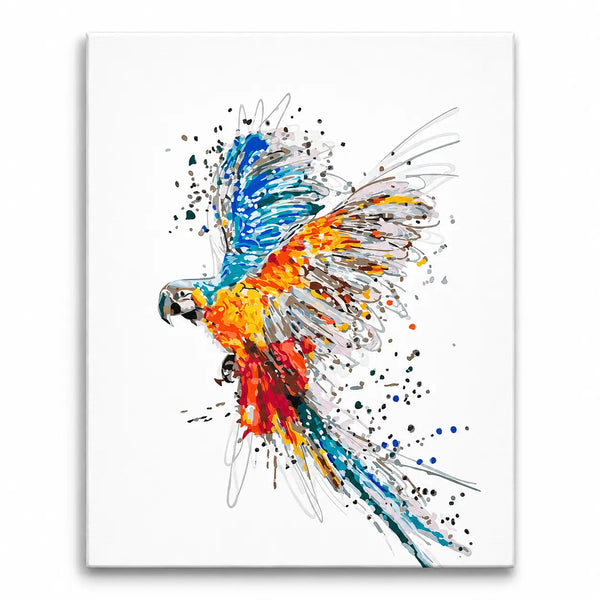
Colorful Parrot in Flight Paint by Numbers Kit
$29.99
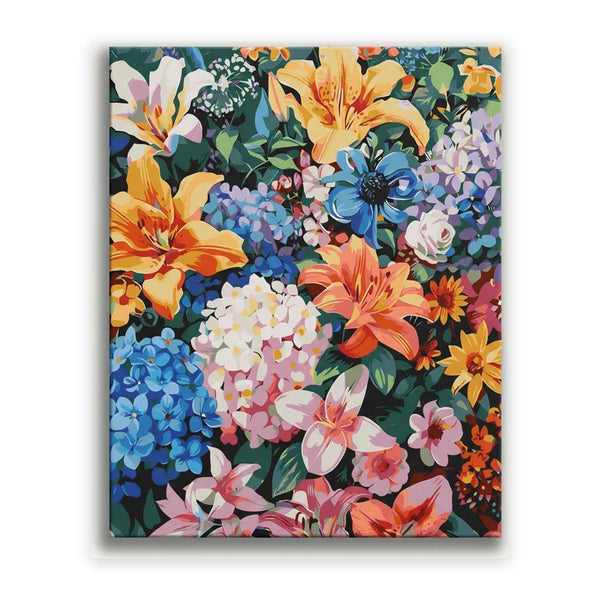
Colorful Layered Flower Garden Paint by Numbers Kit
$29.99