Paint by Numbers Guides

A Creovia beginner guide
Why Does Paint by Numbers Paint Look Transparent? Causes and Fixes
A practical guide to why paint by numbers colors look transparent, how to check the paint and brush, and when to let a first coat dry before adding...
Why Does Paint by Numbers Paint Look Transparent?
You fill a numbered section, step back, and can still see the outline underneath. Is the paint supposed to look like that? Sometimes a light first coat is normal. In other cases, the pot may need attention or the brush may be spreading too little paint across too much canvas. The useful question is what the color looks like after it has settled and dried, not only while the brush is moving.
Start with a pause. Let the section dry as the kit instructions recommend, then look at it in even daylight. If the color still looks much thinner than the neighboring areas, work through the checks below before reaching for water, another color, or an extra medium.
What “transparent” looks like on a numbered canvas
A transparent-looking coat lets the printed canvas or its texture show through the color. A pale color can do this more than a dark one, especially if the first pass is thin. Streaks and small gaps are different: they often come from uneven brush loading or from spreading a small amount of paint across a wide section.
Paint opacity can vary with pigments and formulation. A general Liquitex guide to acrylic paint coverage explains that pigments can produce opaque, semi-opaque, or transparent colors. This describes acrylic paint broadly; it does not identify any particular Creovia kit formula. Follow your kit instructions.
Common reasons the color looks see-through
The first coat is thin
A light first pass can leave the guide visible, especially beneath pale shades. Check only after the paint dries; wet paint can look different.
The brush is carrying water
If you rinsed the brush and loaded it before it was dry, leftover water can make the paint spread more thinly. Blot the brush gently on a clean towel after rinsing, then pick up a small amount of paint. Do not add water to the pot unless the kit instructions specifically tell you to.
The paint has separated or dried at the edge
After storage, a paint pot may not look evenly mixed. If the paint is still usable and the instructions allow it, stir it gently with a clean tool. Avoid scraping dried bits from the lid into the paint or forcing a stiff brush through a skin at the surface. A pot that is hard, lumpy throughout, or unusually watery may need help from the seller rather than a home-made fix.
The brush is underloaded or the section is large
A nearly dry brush can leave a patchy film, and stretching one small brushful across a large shape can make coverage weak. Reload as needed and use controlled strokes within the boundary; a smaller brush helps with narrow areas.

How to check the paint before adding another coat
- Let the section dry. Follow the kit’s directions and give the paint time to settle. Avoid brushing back and forth over a damp patch; that can lift or move paint that has not set.
- Look under neutral light. Check whether the printed lines show through evenly or whether you are seeing small bare gaps. Turn off strongly colored lamps and compare the area with a nearby section painted in a similar shade.
- Check the pot and brush. Make sure the color is matched to the canvas key. If the pot looks separated, gently stir only if the instructions permit. If you washed the brush, blot away excess water before reloading.
- Try a small test only where appropriate. If your kit includes a spare swatch or its instructions permit testing on an unobtrusive edge, apply a small amount there and let it dry. Do not test on an unassigned numbered area that belongs to another color.
- Add paint gradually if the dry result needs more coverage. Use the same numbered color and a light, even layer. Let it dry before deciding whether another pass is needed. Stop if the second layer begins to obscure neighboring boundaries or build up heavily.
If you are learning where a line should disappear, see covering printed numbers on a paint by numbers canvas explains how to approach the chart without changing the assigned color. For streaky or uneven areas, see how to correct paint by numbers mistakes.

What not to do when paint looks transparent
- Do not thin the whole pot with water. That changes the paint and may make coverage less predictable. If the kit gives specific rehydration instructions, follow those exactly.
- Do not mix in white, another color, or acrylic medium by guesswork. The chart is designed around its numbered colors, and additions can change the final shade or texture.
- Do not keep layering while the previous coat is wet. Letting it dry first helps you judge the coverage and reduces unnecessary brushing.
- Do not press hard to force the paint across the canvas. A controlled amount and a suitable brush are easier to manage than a heavy blob.
For brush cleanup between colors, use the method in our guide to cleaning paint by numbers brushes, then blot the bristles before loading the next color.
When to ask for help
If a pot is dry throughout, has an unusual texture, or remains watery after gentle mixing, take a clear photo of the pot and the affected canvas section. Keep the color label visible and contact the seller with your order details. Avoid trying several fixes at once; it is harder to tell what changed, and the original surface is easier to assess before extra products are applied.
To choose another project, browse the current paint by numbers designs and check each listing for its current kit details. This guide covers general paint behavior; the instructions packed with your selected kit take priority.
Frequently asked questions
Why can I still see the numbers through paint by numbers paint?
A thin first coat, a pale color, or a brush carrying extra water can leave the printed guide visible. Let the paint dry, then check whether the area needs a careful second layer.
Should I add water when paint by numbers paint looks transparent?
Not unless the kit instructions say to. Added water can make coverage less predictable. If the brush was rinsed, blot it before picking up more paint.
Can I apply a second coat to paint by numbers canvas?
If the first coat is dry and the instructions allow it, apply a small amount of the same numbered color. Let that layer dry before deciding whether more is needed.
Why does only one paint by numbers color look transparent?
Different colors can cover differently because their pigments and formulations vary. A pale or more transparent color may show the canvas more than a darker neighboring shade.
What should I do if the paint is watery or lumpy?
Check the kit directions and gently stir only if allowed. If the paint is hard, lumpy throughout, or unusually watery, contact the seller before adding water or other products.
Find your next project
Explore paint by numbers kits.

Custom Paint by Numbers Kit From Your Photo
$34.99
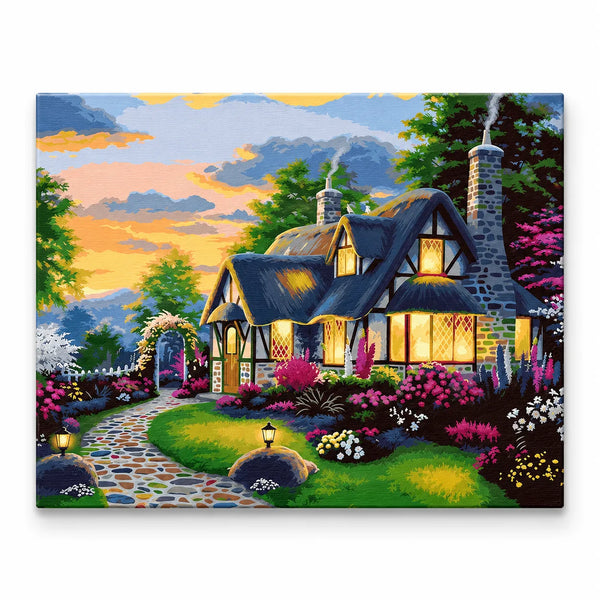
Fairytale Cottage at Sunset Paint by Numbers Kit
$29.99

Fantasy Fish Maiden Portrait Paint by Numbers Kit
$29.99

Fantasy Castle and Hot Air Balloons Paint by Numbers Kit
$29.99

Enchanted Blue Roof Fairy House Paint by Numbers Kit
$29.99

European Flower Shop Lane Paint by Numbers Kit
$29.99

European Cafe on a Cherry Blossom Street Paint by Numbers Kit
$29.99