Diamond Painting Guides

A Creovia beginner guide
Diamond Painting While Listening to a Podcast: A Simple Setup Guide
A practical setup for listening to a podcast while diamond painting, including color handling, pause points, and canvas storage.
Diamond Painting While Listening to a Podcast: A Simple Setup Guide
Yes, you can diamond paint while listening to a podcast if the audio fits the way you like to work. A podcast can play in the background while you place drills, but the conversation may also compete for attention when you are checking tiny symbols or sorting colors. There is no single setup that works for everyone. Prepare your tools first, start with a manageable section, and pause the audio whenever you need to focus on a color change.
This guide is about arranging a solo craft session with optional spoken audio. It does not promise that a podcast will make a project faster, easier, or more relaxing. If listening distracts you, try a different kind of audio or work in quiet. The best result is a setup that lets you enjoy the activity without losing your place on the canvas.
Prepare the canvas and tools before pressing play
Begin by clearing a stable work area. Set the canvas where you can see the printed symbols, keep the color key within reach, and place the tray and applicator where you can reach them without crossing over the sticky surface. Use the items listed for your particular kit; included tools can vary. The diamond painting beginner guide gives a basic overview of the canvas, symbols, and placement routine.
Decide how you will keep unopened colors separated. If you are opening a packet, keep its label or color code with it, and pour only a small amount into the tray. Avoid setting loose colors directly beside one another without a label. A short preparation step now can prevent you from having to stop later to identify a mixed-up group of drills.
Choose an audio source you can pause or adjust without leaning across the work. If you want to avoid looking at a screen during the session, start the episode and lock or turn off the display before you begin. Keep the device away from the canvas, tray, and any open packets. Use speaker audio or headphones according to your room and preference; neither is required for the craft itself.

Editorial setup concept; check your own kit for the tools and canvas format it includes.
Pick an episode that suits the task you are doing
Different parts of a project ask for different kinds of attention. When you are settling in, sorting supplies, or placing drills in a familiar area, you may be comfortable listening to conversation. When you are reading a crowded symbol chart, starting a new color, or working in a detailed spot, speech may pull your focus away. It is fine to pause the podcast for that part and resume when you are ready.
If you are choosing audio for a craft session, think about whether you want to follow a detailed discussion or simply have something in the room. A familiar episode may be easier to leave in the background than a story you are trying to follow closely. Music or quiet are options too. This is a personal preference, not a rule about what audio is best.
Keep the volume at a level where you can hear the room around you. For a shared space, ask before using a speaker; for headphones, make sure you can still respond to someone who needs your attention. If you are painting near children, pets, or an active household, stay attentive to what is happening around you and pause the audio as needed.
Use a simple color routine to avoid losing your place
Work with one color at a time. Check the symbol against the color key, open or retrieve the matching packet, and place a small amount of drills in the tray. Finish the section you chose, then return the extra drills to their labeled container before switching. If the podcast reaches an interesting part, let it continue only if the craft still feels comfortable; the audio can always wait while you verify a symbol.
A small written note can help you resume after a break: record the color code you last used or mark the area you finished on a paper copy of the chart if your kit provides one. Avoid using an unlabeled cup or tray section as a memory aid. The diamond painting tools guide covers common tools, while the separate lighting guide explains how to position light so symbols remain readable.

Pause-point concept illustration; follow the protection and storage directions for your own canvas.
Make breaks easy to manage
Choose a natural stopping point before you begin, such as finishing one small area or returning a color to its container. When you pause, stop the audio first, put unused drills back in their labeled packet or storage container, and protect any exposed adhesive according to the kit directions. Keep the tray level and the canvas supported so a break does not turn into a cleanup task.
If you want to stop for the day, cover the canvas as the product instructions recommend and store the tools and colors together. The guide to storing a diamond painting between sessions walks through a practical way to protect an in-progress project. A tidy ending makes it easier to return to the same project later, whether you listen again or work in silence next time.
Notice when audio is helping or getting in the way
After a short session, ask yourself two simple questions: did you enjoy having the podcast on, and could you still follow the canvas symbols? If you keep rewinding the episode or correcting misplaced drills, try lowering the volume, choosing less demanding audio, or pausing the podcast during color changes. If you are following the conversation and the craft feels comfortable, keep the setup as it is.
Do not use the podcast as a measure of how much you should finish. Diamond painting is a repeated placement task, and individual pace varies with the design, canvas size, color changes, and the time you have available. Your goal can simply be to enjoy the session and leave the supplies organized for the next one.
When you are ready to choose a new project, browse the Diamond Painting collection and check each product page for its current canvas size, drill options, and included tools.
Frequently asked questions
Can you diamond paint while listening to a podcast?
Yes, if spoken audio works with your attention and the detail you are placing. Try it with one small section first, and pause whenever you need to check symbols or change colors.
Will listening to a podcast help me finish a diamond painting faster?
There is no reliable way to promise that. Your pace depends on the design, the amount of detail, your chosen work sessions, and your own routine. Choose audio for enjoyment, not as a speed tool.
What should I set out before a diamond painting podcast session?
Prepare the canvas, color key, the tools listed for your kit, and the drill color you plan to use first. Keep packets labeled and the audio controls easy to reach without moving over the canvas.
How can I avoid mixing drill colors while listening?
Work with one color at a time, verify its code against the key, and return leftover drills to a labeled container before changing colors. Pause the audio if you need to double-check a symbol.
What if a podcast distracts me while diamond painting?
Pause it, lower the volume, choose audio that needs less attention, or continue in quiet. There is no requirement to listen while crafting.
Find your next project
Explore diamond painting kits.

Комплект за диамантено рисуване с цветна селска улица
$23.99

Комплект за диамантено рисуване Коледа, прегръдка на Дядо Коледа
$23.99
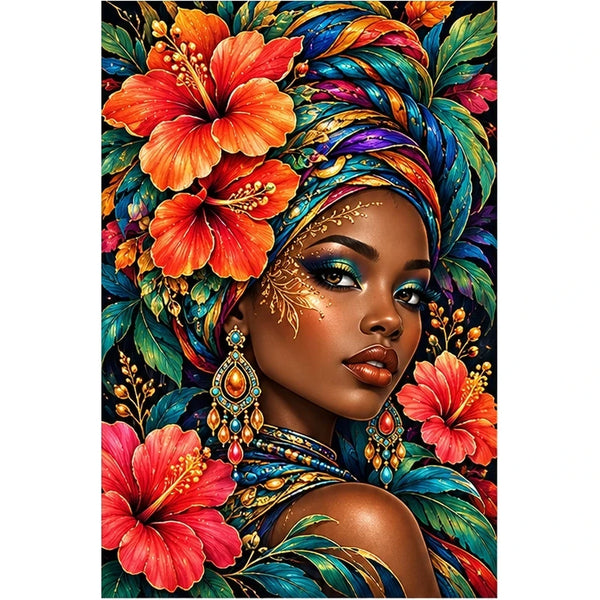
Tropical Hibiscus Queen Diamond Painting Kit
$23.99

Комплект за диамантено рисуване с тропически ара хибискус
$23.99
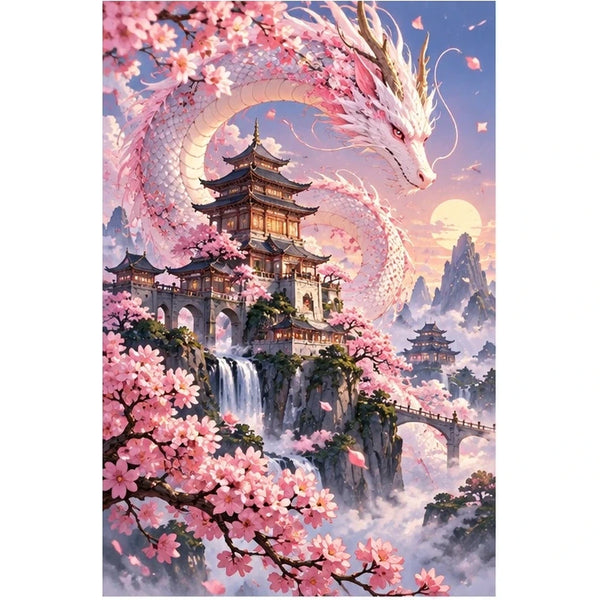
Комплект за диамантено рисуване с розов дракон, черешов цвят, пагода
$23.99
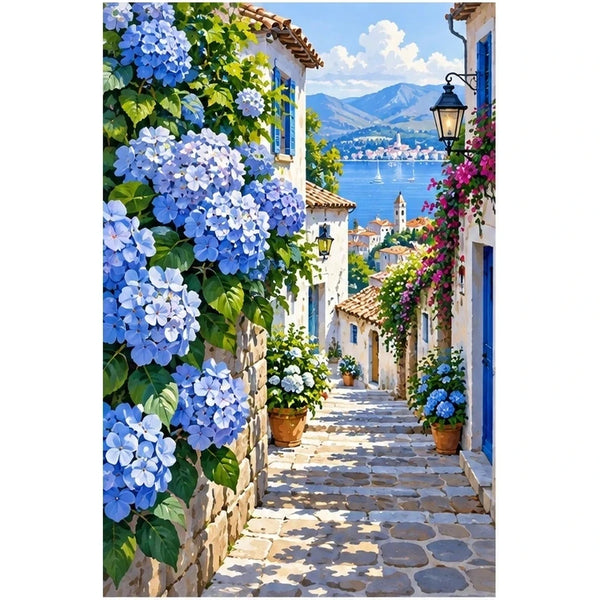
Комплект за диамантено рисуване със село Синя хортензия
$23.99
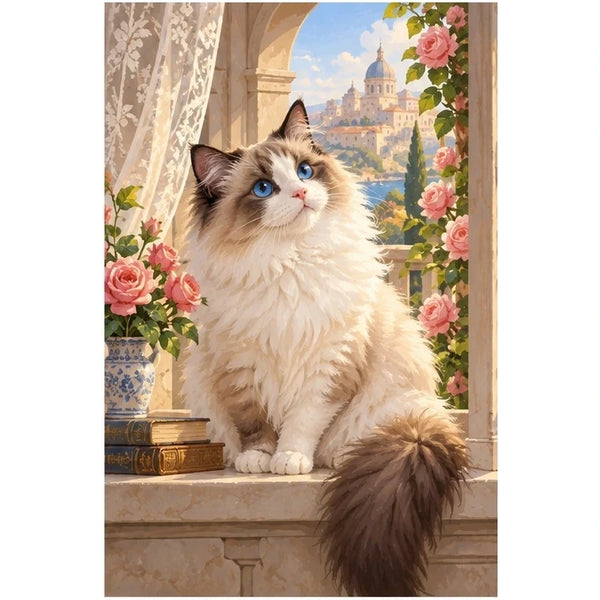
Комплект за диамантено рисуване Ragdoll Cat Rose Window
$23.99