Paint by Numbers Guides
A Creovia beginner guide
Paint by Numbers for Two: Plan a Shared Painting Session
Plan a shared paint by numbers session with enough room, clear color organization, and a simple way to decide who works where.
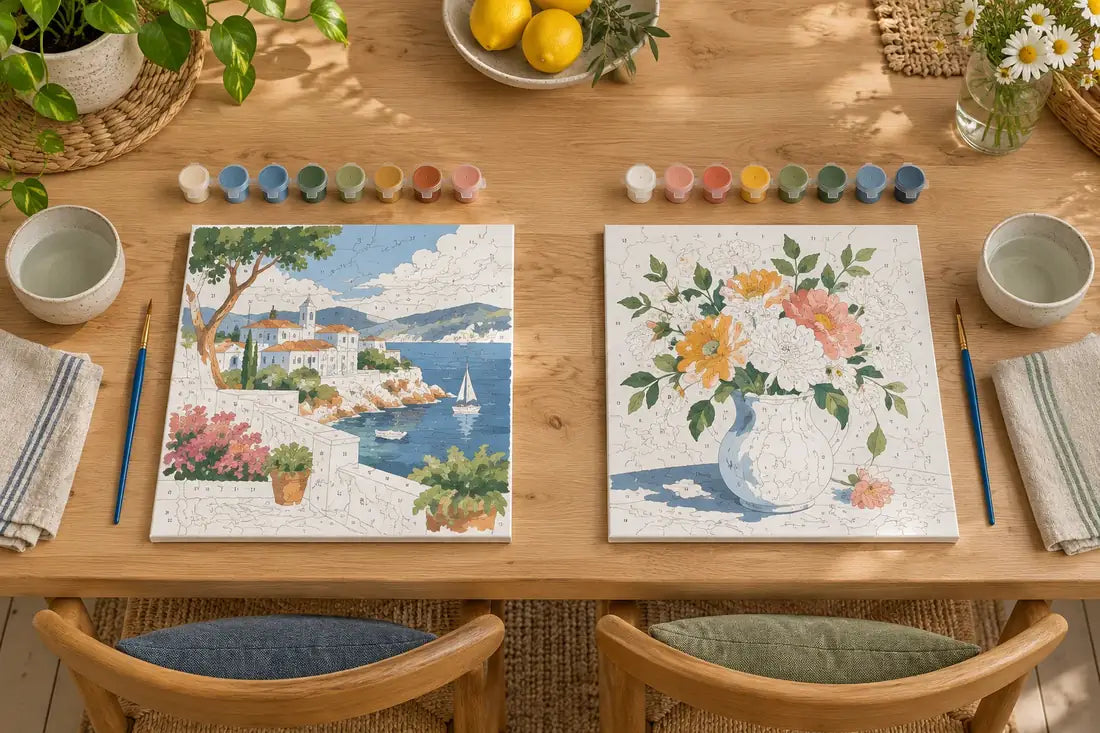
Painting side by side can turn a paint by numbers kit into a shared activity, but the canvas and supplies still need room. Before starting, decide whether you will work on one design together or paint separate canvases at the same table. The best arrangement depends on the artwork, available surface, and how each person likes to work—not on a rule that every project should be split in half.

Decide how to share the project
Painting side by side can turn a paint by numbers kit into a shared activity, but the canvas and supplies still need room. Before starting, decide whether you will work on one design together or paint separate canvases at the same table. The best arrangement depends on the artwork, available surface, and how each person likes to work—not on a rule that every project should be split in half.
With one canvas, talk through how you will divide the work. You might each choose a side, alternate small sections, or take turns with colors. Avoid drawing a boundary across the artwork unless the printed sections make that split natural. A straight division can separate a subject or leave one person with most of the fine detail.
If the design is dense or the canvas is small, taking turns may feel more comfortable than painting simultaneously. Agree on a stopping point and keep the current color with the person using it. For a larger design, each painter can work in a separate region if both can see the key and reach without leaning across wet paint. If those conditions are awkward, alternate instead.
Set up the table for two people
Two separate canvases offer more independence. Each person can choose a design, pace, and color order, while still sharing a table and conversation. Check that the selected listings include the formats and options you want; do not assume two kits have identical materials or dimensions.
Clear enough space for the canvases, color keys, paints, and brushes before opening anything. Keep water and supplies away from table edges, and avoid placing a sleeve or bag where it may brush across the canvas. If space is limited, set one person’s supplies on a tray or side surface and bring forward only the colors currently in use.
Give each painter a comfortable reach. When sharing one canvas, rotate or reposition it only when the paint and kit instructions allow, and check that both people can still read the markings. If you use separate canvases, place each one in front of its painter rather than across the center. The goal is to avoid reaching over the other person’s work.
Agree on a color and tool routine
Before the first brushstroke, decide how you will identify colors and return pots after use. If two kits are involved, keep each kit’s color key with its own paint set; colors that look similar are not necessarily interchangeable. If sharing one kit, pass the labeled pot rather than moving it without telling the other painter.
Use separate brushes or agree on a clear handoff routine. Rinse and care for each brush according to the kit directions, and avoid setting a wet brush on the canvas or between supplies. One person can call out the color label while the other checks the key, but conversation should not replace checking the printed mark.
Plan the session so neither person has to wait while the other searches for supplies. Place the current color, brush rest, and reference within reach before you begin a section. If one painter needs more time, the other can work on a different accessible area or take a break instead of rushing the shared canvas.
Choose a pace that leaves room to pause
A shared project does not have to be completed in one sitting. Decide how you will cover or store the work when you stop, and leave a note about the last color or section if that will help you resume together. Close paints and care for brushes as the instructions direct. If you are working on one canvas, agree on a simple handoff point so the next person knows where to continue.
It can help to choose a design that both people want to spend time with, rather than selecting only by difficulty. Look at the full artwork and product dimensions, then compare the amount of small detail with the time and table space you have. A subject both painters enjoy gives you more to talk about while you work.
Make the arrangement comfortable rather than competitive. A shared activity works best when both painters can see the current mark, reach their assigned area, and pause without losing track of the color. Take turns with the key or the brush if that is easier. The project is still complete when one person paints more slowly or takes more breaks.
Browse designs before setting a date
Use the product page to compare each design’s full image, stated dimensions, and listed contents. If you are considering separate projects, let each painter select a design rather than making the two canvases match. For one shared project, choose a composition with sections that are easy to reach from both sides or that can be completed in turns.
For first-time painters, the paint by numbers first-session guide explains a simple setup. Browse the paint by numbers collection and verify the details on each chosen listing. If you are giving the kit to someone as part of the activity, see paint by numbers collection.

Frequently asked questions
Can two people paint the same paint by numbers canvas?
Yes, if the canvas has room for both people to reach their areas comfortably. Agree on a division or take turns, and keep the color key and active paint visible.
Should we split one canvas into two halves?
Only if the artwork and working space make that split practical. A natural section boundary or alternating turns may work better than drawing an arbitrary line through the image.
Can we use two different paint by numbers kits at one table?
You can work on separate projects together, but keep each kit’s color key and paints organized with its own canvas. Check each listing for its own contents and options.
What is the easiest way to share paint colors?
Read the label aloud or pass the labeled pot to the other painter, then return it to the same place. Similar-looking colors should not be swapped based only on appearance.
Do we need to finish the project in one session?
No. Pause when needed, store the canvas and supplies according to their instructions, and leave a short note about the section or color where you stopped.
Find your next project
Explore paint by numbers kits.
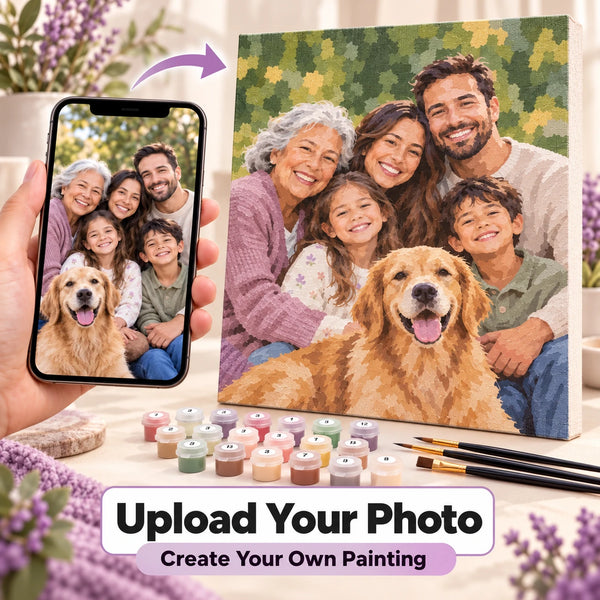
Custom Paint by Numbers Kit From Your Photo
$34.99
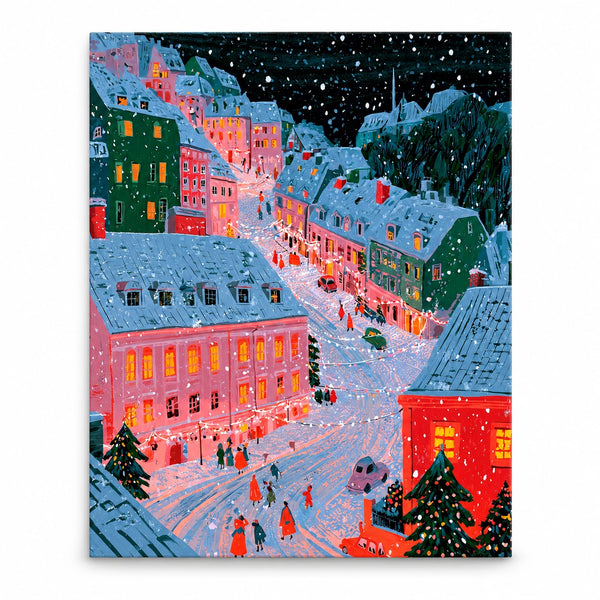
Snowy Pink and Green European Christmas Street Paint by Numbers Kit
$29.99
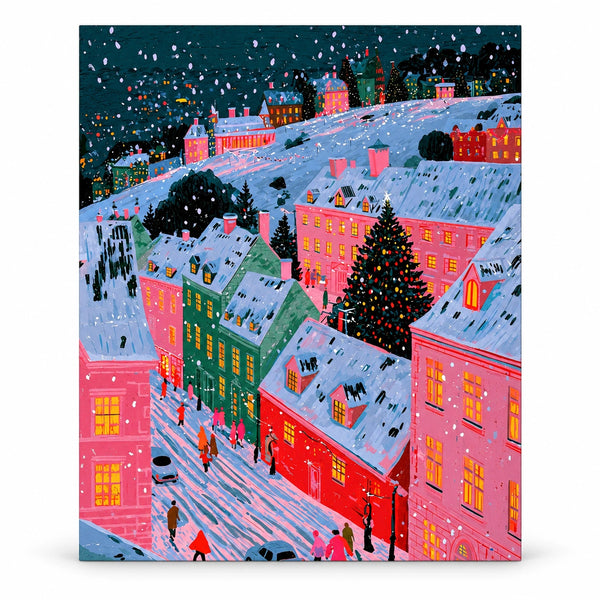
Snowy Pink Alpine Village Christmas Tree Paint by Numbers Kit
$29.99
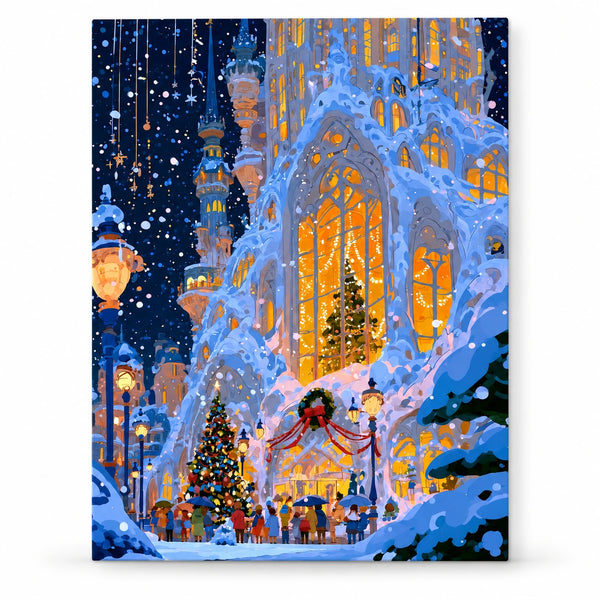
Snowy Gothic Church with Stained Glass Christmas Paint by Numbers Kit
$29.99
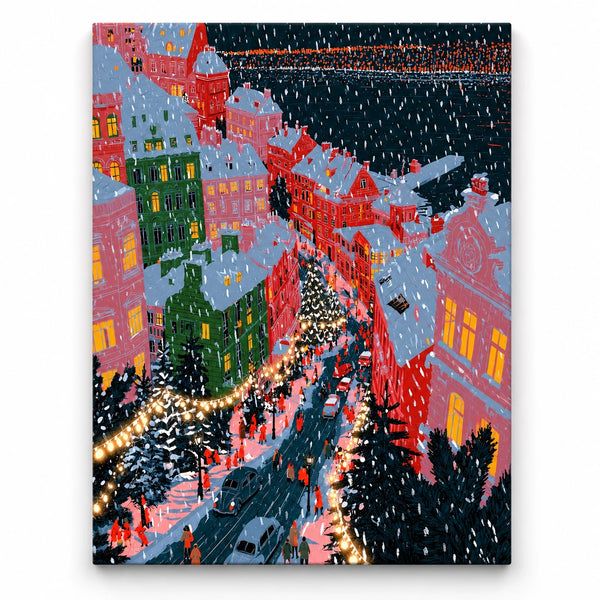
Snowy Christmas Town Square with String Lights Paint by Numbers Kit
$29.99

Snowy Christmas Balcony with Red Bow Tree Paint by Numbers Kit
$29.99
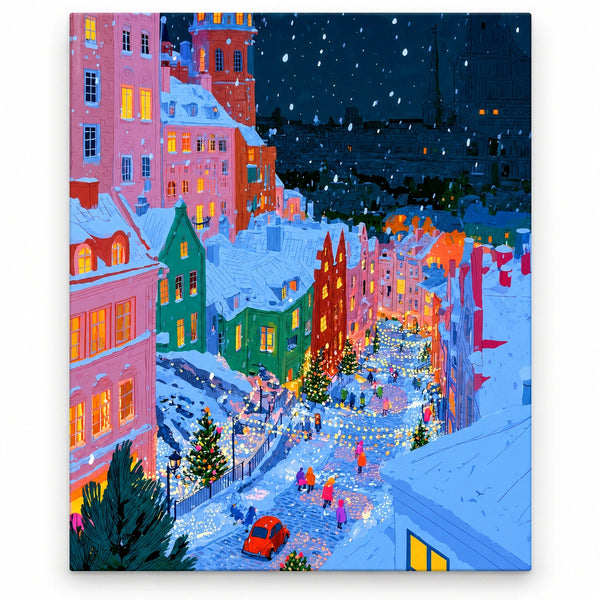
Snowy Alpine Village Christmas Street with Red Car Paint by Numbers Kit
$29.99