Diamond Painting Guides

A Creovia beginner guide
Diamond Painting Storage Container Lid Won’t Close? Try These Checks
Check for trapped drills, overfilling, crooked threads, and damaged catches when a diamond painting storage container will not close.
If a diamond painting storage container will not close, keep it upright and check the rim before pressing harder. A stray drill, an overfilled container, a crooked screw lid, or a damaged catch can all interrupt the closure. Work over a clean tray, keep the color label with the drills, and stop if the lid needs force.
The fix depends on the container. A round screw-top jar needs its lid aligned with the threads; a rectangular flip-top container needs a clear rim and an undamaged hinge and catch. Both should close normally before they return to an organizer.
Start with the color key and a clean workspace
Set the container on a stable surface away from exposed canvas adhesive. Place a clean tray beneath it or beside it to catch any loose drills. Keep the project name, symbol, and color code visible. If your label is on the lid rather than the container, put the lid next to the corresponding jar while you inspect it.
Open only the container you are working on. Do not tip all the jars from a case onto the table: one stray drill is difficult to identify once similar colors become mixed. If you need to remove some drills, put them into a clean temporary container bearing the same project and color information. Close it before opening another color.
Check for a drill caught around the rim
Look closely around the opening, beneath the edge of the lid, and near any hinge or catch. A single drill can sit on the rim and stop a lid from meeting the container evenly. Tip any loose piece back inside, or lift it away gently while keeping it associated with its labeled color.
A label can cause trouble too. If a sticker bridges the lid and body or overlaps the closing edge, move it to a clear surface where it remains readable. Do not cover the hinge, screw threads, or catch. Replace a damaged label only after copying the identification accurately from the original and the kit's chart.
If debris remains after the drills are safely set aside, inspect the empty closure and use a clean, dry, soft cloth where appropriate. Avoid sharp tools, abrasives, glue, or an unverified cleaner. Our container cleaning guide covers resetting an empty organizer for a new project.
When a round screw-top jar will not turn smoothly
Remove the lid completely and check both sets of threads for a trapped drill or visible damage. Place the lid level on the opening, then turn it gently as the container is designed to close. If it starts crooked, back it off and reposition it. It should not need heavy pressure to begin turning.
Do not assume that any round lid fits any jar. Similar containers from different sets may have different diameters or threads. Keep each original lid paired with its container, and compare the parts if one lid repeatedly catches while the rest of the set works normally.
Creovia's Diamond Painting Storage Organizer Case with Tool Kit lists round screw-top jars in its 30-Jar Purple, 60-Jar Purple, 60-Jar Butterfly and 120-Jar Purple options. The 120-jar style has two removable layers. Check the selected option and its current availability before ordering; the number refers to containers, not a guaranteed capacity for every drill color.

If the threads look cracked, flattened, or misshapen, set that jar aside. Transfer its drills into a clean, dry replacement that closes properly and copy the exact label. Do not keep an unreliable jar in the case simply because it still fits the foam slot.
When a rectangular flip-top lid will not stay shut
Keep the container upright and inspect the lip, lid edge, hinge, and catch. Remove any drill caught where the parts meet. If a sticker has folded over the edge, reposition it away from the closure. Close the lid as directed for that container and check that it sits evenly, without forcing the hinge or pressing hard on one corner.
If the lid lifts immediately, reopen it and look again under good light. Check that the contents are below the opening and that the hinge moves freely. A container that closes when empty but not when filled may need more space at the top; remove a small amount into a labeled overflow packet and try again.
The same Creovia storage organizer is available in a 160-Container Blue option with rectangular flip-top containers and two removable layers. This is a different closure from the round screw-top options. Choose based on the format you want to handle, and read the current listing for the selected package.

If the catch or hinge is visibly broken, do not depend on it to hold drills in a bag or case. Move the contents to a suitable labeled replacement. Tape across a lid can obscure the color label and make the next opening awkward; it is not a substitute for a closure that works.
Leave room at the top
A container filled to its edge leaves little space for a lid. Loose drills can sit on the rim, lodge in a thread, or press against a flip-top closure. Remove a small amount into a separate clean packet or container, label the overflow with the same project and code, and try closing the main container again.
There is no single fill line that fits every jar. Look for a clear rim and a lid that closes normally. Do not compress drills to make an extra handful fit, and do not combine two similar colors to free a container. Keep the extra quantity with its original key so you can refill the jar later.
Before returning the container to its case
Check the label, the closed lid, and the outside of the container for loose pieces. Return it to its proper place in the foam insert, then check that the case can close without a tool or container obstructing the zipper. Creovia's listing recommends closing the containers and zipping the case before carrying it; keep the case upright and follow its instructions rather than assuming any closure is spillproof.
If drills have already spilled, recover them over a clear surface and keep unidentified pieces separate. The drill organization guide explains how to keep colors tied to a chart. For a cleaner transfer after finishing a color, see how to pour drills back into a container.
Finally, test the routine with one container before changing the whole setup. A clear rim, the right lid, a readable label and a working closure are more useful than a tightly packed case that is difficult to open and close.
Frequently asked questions
Why won't my diamond painting storage jar close?
A drill caught at the rim, an overfilled jar, a lid that has started at an angle, or damage to the threads can prevent a screw-top jar from closing. Keep the color labeled, empty a little if needed, and inspect the lid and rim before trying again.
What should I do if a flip-top container will not shut?
Check for a drill or label trapped along the rim or closure. With the container upright, remove the obstruction gently and close the lid according to its design. If the hinge or catch is damaged, move the drills to a suitable labeled container.
Can I force a tight container lid closed?
No. Stop if a lid resists normal handling. Forcing it can damage the closure or scatter drills. Check alignment, obstructions, fill level and visible damage first.
Should I glue a broken drill container lid?
A damaged lid is better retired from active storage. Transfer the drills to a clean, dry, labeled replacement rather than relying on glue near loose drills or canvas adhesive.
How full should a drill container be?
Leave enough clear space below the rim and closure for the lid to sit normally. The amount of room depends on the container; do not fill it so high that drills interfere with closing.
Find your next project
Explore diamond painting kits.

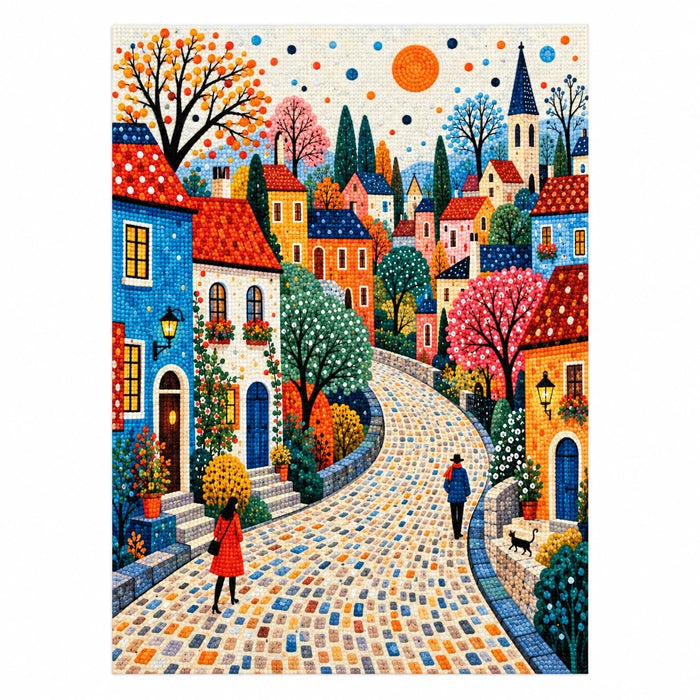
Colorful Village Street Diamond Painting Kit
$23.99

Tropical Hibiscus Queen Diamond Painting Kit
$23.99

Santa Hug Reindeer Diamond Painting Kit Christmas
$23.99

Little Bookshop Garden Diamond Painting Kit
$23.99

Parisian Patisserie Diamond Painting Kit
$23.99

Blue Hydrangea Village Diamond Painting Kit
$23.99

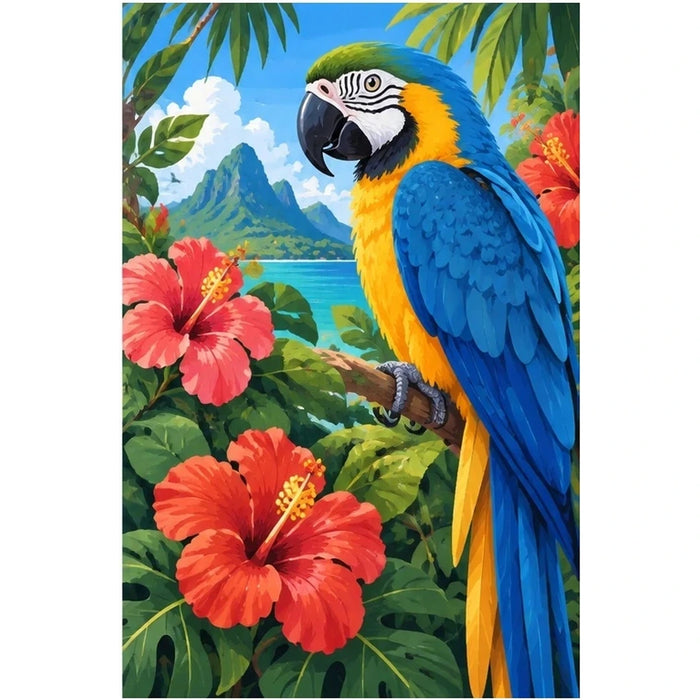
Tropical Macaw Hibiscus Diamond Painting Kit
$23.99