Paint by Numbers Guides

A Creovia beginner guide
How to Fix Paint by Numbers Mistakes Without Repainting the Whole Canvas
A careful guide to correcting wrong colors, messy edges, and missed spots on a paint-by-numbers canvas.
A small paint-by-numbers mistake usually does not mean starting over. First identify what happened: a wrong color, paint beyond a boundary, a missed patch, or an uneven section. Then check whether the paint is wet and what the kit’s own directions say about its materials. A careful correction is easier when you work on one small area at a time instead of trying to cover a large section in a hurry.
This guide covers low-risk ways to assess minor errors. Paint formulas and canvas surfaces can differ, so do not assume a universal solvent, drying time, or removal method. Follow the instructions for the kit you selected.

Pause and identify the mistake
Before adding paint, compare the section with the printed numbers and color key. A spot that looks wrong may be an unfinished neighboring color. Improve the lighting, match the number to the paint-pot label, and confirm the intended color before making a change.
Look at the surface without touching it. Wet paint can smear; a dry patch may need a different approach. The kit instructions take priority, especially if they describe care for the canvas or paint.
For acrylic paint generally, Liquitex explains that it can be cleaned with water while wet and becomes permanent when dry. That does not confirm the paint type in your kit; check its instructions before attempting a correction.
Correct a wrong color while it is wet
If you have just applied the wrong color, stop before spreading it. Wipe excess paint from the brush, then use the method in your kit directions to lift or adjust fresh paint. Work from the outer edge toward the center with a light touch. Avoid pushing paint across a printed boundary or flooding the area.
Do not scrub the canvas. Repeated rubbing can disturb the printed guide or surface. If the paint does not lift easily, stop and let the area rest rather than making the wet patch larger. Once the directions allow, match the correct number and apply only what is needed.
Touch up a dry area
When a wrong patch is dry, confirm the intended color before covering it. Use a brush size that gives you control: a fine brush can help near a narrow edge, while a wider brush may suit a larger shape. Keep paint within the numbered region and use a controlled amount instead of loading the brush heavily.
Some numbers may remain visible through a light color. Do not assume every kit uses opaque paint or that another coat is always right. Follow the kit’s guidance, and let each application dry as directed before deciding whether another pass is needed. The aim is to correct the image without building a thick ridge or obscuring nearby borders.

Neaten paint that crossed a boundary
Find the printed border and identify the color on each side. If the paint is wet, use the correction method in the kit instructions before it dries. For a dry edge, restore the boundary only if the directions and paint coverage allow it. Keep the correction within the shape instead of extending the line across the design.
For a tight corner, turn the canvas so your hand approaches from a comfortable direction. Make short strokes and check the edge between them. If the printed border is unclear, pause rather than guessing.
Fill a missed patch
A missed spot can look like a pinhole, a thin patch, or a small gap near an edge. Check its number and color key. Pick up a small amount of the matching paint and fill the gap using the brush method in your kit directions. Do not add a different color because the area looks lighter while wet.
Afterward, leave the spot alone until it has had the time specified by the instructions. Repeated brushing can make a surface uneven. Compare the area with nearby sections under steady light before deciding whether it needs a minimal touch-up.
Keep the work area organized
Return unused pots to a stable spot and close them between steps. Keep the number key visible and move only the colors needed for the correction onto the table. Clean the brush as directed when changing colors, and keep rinse water away from open paint pots and the canvas.
If you pause, follow the kit directions for storing paints, brushes, and the canvas. Our first-session guide covers basic setup, while the paint by numbers first-session guide addresses a separate preparation question. Browse the paint by numbers collection and check each listing for its own materials and options.
When to stop and ask for help
Stop if the printed design begins to lift, the surface changes, or the paint reacts unexpectedly. Do not apply household cleaners, solvents, or scraping tools unless the kit manufacturer specifically instructs you to. If the correct color or care method is unclear, contact the seller with the product name and a clear photo before trying a stronger fix.
A slightly uneven edge may be less distracting than an aggressive correction that spreads paint or marks the canvas. Make the smallest adjustment supported by the instructions, then let the work rest before judging it again.
Frequently asked questions
Can I fix a wrong paint color on a paint-by-numbers canvas?
A small mistake may be adjustable, but the safe method depends on whether the paint is wet and on the kit materials. Follow the kit directions and avoid unapproved cleaners or solvents.
How do I fix paint that crossed a numbered area?
Identify the printed boundary and correct color first. Follow the kit instructions for a gentle correction, and make only a small touch-up if the paint and surface directions allow it.
Should I add another coat to hide a visible number?
Check the kit instructions before adding a coat. Paint coverage and drying behavior vary; wait as directed and use another controlled pass only if the instructions support it.
Can I use water or household cleaner to remove paint?
Do not assume water, cleaner, or solvent is suitable for every canvas. Use only the care method specified for your kit, and stop if the printed guide or surface changes.
What if I cannot tell which color belongs in the area?
Pause, improve the lighting, and match the printed number with the kit color key and pot label. If it remains unclear, ask the seller before applying another color.
Find your next project
Explore paint by numbers kits.

Custom Paint by Numbers Kit From Your Photo
$34.99
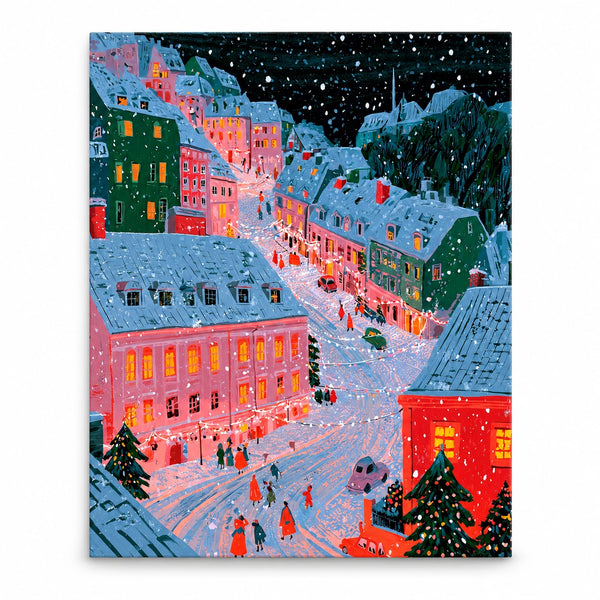
Snowy Pink and Green European Christmas Street Paint by Numbers Kit
$29.99
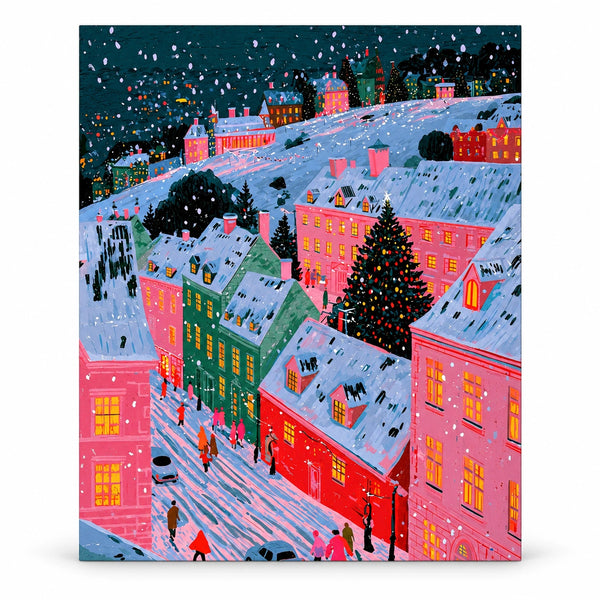
Snowy Pink Alpine Village Christmas Tree Paint by Numbers Kit
$29.99
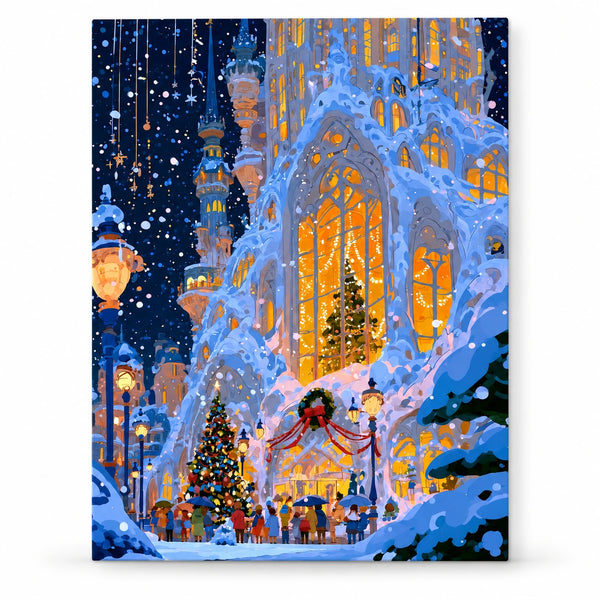
Snowy Gothic Church with Stained Glass Christmas Paint by Numbers Kit
$29.99
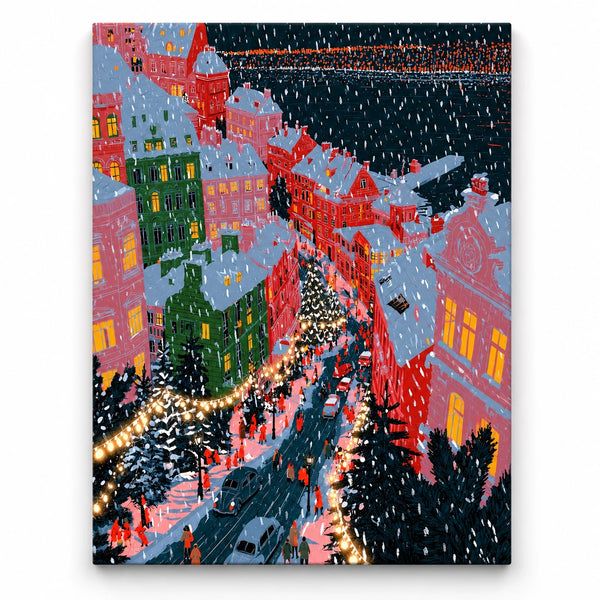
Snowy Christmas Town Square with String Lights Paint by Numbers Kit
$29.99

Snowy Christmas Balcony with Red Bow Tree Paint by Numbers Kit
$29.99
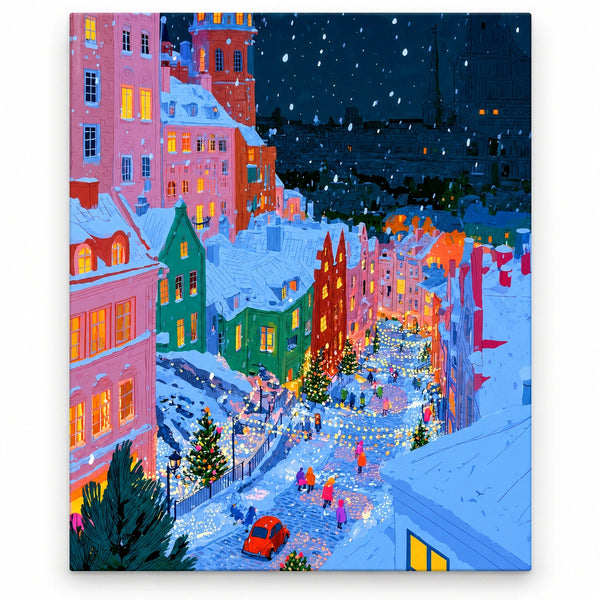
Snowy Alpine Village Christmas Street with Red Car Paint by Numbers Kit
$29.99