
Paint by Numbers Guides

A Creovia beginner guide
Paint by Numbers Paint on Your Table? What to Do
A careful first response to paint on a table, with guidance for checking the surface and protecting your next craft session.
A dropped paint pot can leave a colorful mark on a favorite table. Move the canvas and supplies out of the way, contain the spill, and check the table's care instructions before trying a cleaner. The right approach depends on the surface and the paint.

First, contain wet paint
Close the pot and lift excess paint gently with a dry paper towel or soft cloth, working from the outside toward the center. Replace the towel as it picks up paint so you do not spread the color. Do not rub hard or push paint into seams.
Check the paint label and the table manufacturer's instructions. Many kits contain acrylic paint, but products vary. One acrylic paint manufacturer describes easier cleanup before its paint dries and water resistance afterward; that statement applies to its own formula and does not guarantee a result for another paint.
Match the next step to the surface
Finished wood: finishes differ. Do not soak the surface or leave a wet cloth on it. If the furniture maker permits a lightly damp cloth, test an inconspicuous area first and dry promptly according to the care instructions.
Unfinished or porous wood: color can enter the surface. Avoid scrubbing or adding water and cleaners without guidance. A furniture professional can advise whether treatment is possible.
Other surfaces: glass, laminate and stone have different care needs. Follow the surface manufacturer's directions and check whether the finish tolerates any proposed cleaner before using it.
If paint has dried, protect the finish
Resist the urge to use a blade, abrasive pad, acetone or paint remover. These can damage the finish even if they loosen the paint. For a valuable table, unknown finish or a stubborn mark, ask the furniture maker or a furniture conservator. Explain which paint was used, how long it has been there, and what has already been tried.
Set up a safer next session
Cover your table with a protective layer suitable for its finish and place paint pots on a stable tray. Open one pot at a time, close it before moving the canvas, and keep a clean cloth nearby. A White Daisies in Blue Vase Paint by Numbers Kit offers a 40 × 50 cm canvas with 24, 36 or 48 acrylic colors; check the selected option before ordering.

For a spill on clothing, see paint by numbers paint on clothes. For keeping your paint pots usable, read how to keep paint from drying out.
Frequently asked questions
Can acrylic paint come off a wooden table?
Some wet paint may lift more easily, but results depend on the paint and the table finish. Follow the furniture care instructions and avoid untested cleaning products.
Should I soak dried paint on wood?
Do not soak wood or use a wet cloth unless the furniture maker says it is safe. Excess moisture can damage some finishes and seams.
Can I scrape a dried paint spot off the table?
Scraping can scratch or lift the finish. Consult the furniture maker or a conservator before attempting to remove dried paint from a valuable or delicate surface.
How can I prevent paint spills while crafting?
Cover the work surface with a suitable protective layer, keep paint pots on a stable tray, and open only the colors you are using.
Find your next project
Explore paint by numbers kits.

Custom Paint by Numbers Kit From Your Photo
$34.99

Bunny Tea Party Paint by Numbers Kit
$29.99

Moonlit Ocean Serenity Paint by Numbers Kit
$29.99

Tall Sailing Ship Golden Sunset Paint by Numbers Kit
$29.99

Herb Bundles in a Spell Kitchen Paint by Numbers Kit
$29.99
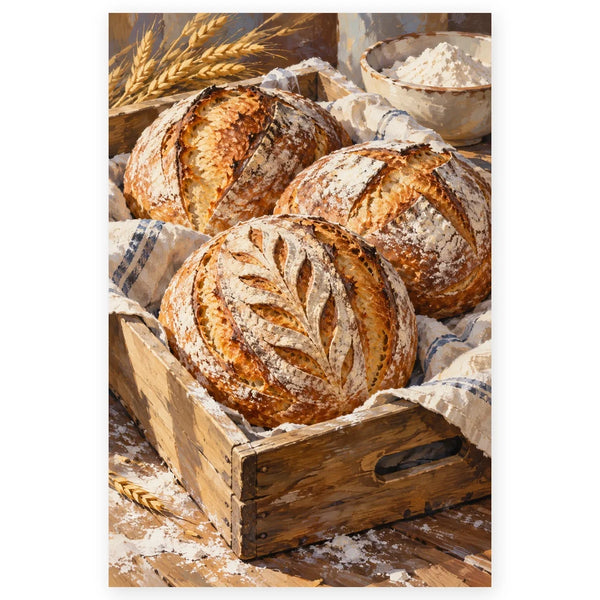
Sourdough Loaves Bakery Crate Paint by Numbers Kit
$29.99

Wood Fired Oven Sourdough Bread Paint by Numbers Kit
$29.99
