
Paint by Numbers Guides

A Creovia beginner guide
How to Paint Knitwear in Paint by Numbers
Knitwear in paint by numbers is built from small patches of light and shade, not from stitching every loop by hand. Follow the printed regions, kee...
Knitwear in paint by numbers is built from small patches of light and shade, not from stitching every loop by hand. Follow the printed regions, keep stripe boundaries intact and let the larger folds remain visible beneath the texture.

Separate the garment from its texture
First identify the coat, scarf or hat as a whole. Locate its outline, cuffs, collar and any overlap. A dark shape may describe a fold, a gap under a scarf or a little knitted shadow. Read its number before deciding what it represents.
Photograph the unpainted detail if the marks are legible. Work on one small part of the garment at a time so you can find your place again without relying on a vague patch of blue or gray.

View this kit and current options
Preserve a few clear texture changes
Use a brush that fits the printed shapes and a small amount of paint. Where alternating light and dark patches suggest knitting, keep their boundaries rather than dragging a loaded brush across the whole strip. Let adjacent sections dry before a correction.
You do not need to add rows of invented V-shaped stitches. The coded design already simplifies the material. Extra lines can cover the intended highlights and make a soft garment look rigid.
Keep stripes and folds from running into one another
In the Kitten In Raincoat With Umbrella artwork, the cat’s blue coat and striped scarf sit close to fur, buttons and the umbrella handle. The duck also wears a scarf. Check which garment you are painting before continuing a stripe into a neighboring shape.
The current kit lists a 40 × 50 cm canvas with 24, 36 or 48 acrylic colors, three brushes, a color card and a hanging kit. Choose a version before ordering and follow that canvas’s actual divisions. When the area is dry, view it from farther away: the garment should read as a coat or scarf before every tiny texture mark matters.
For the supporting technique, read how to paint fabric folds.
Frequently asked questions
Should I draw individual stitches over the numbered design?
Not as a default. Complete the printed shapes first; added stitches can obscure the intended texture and folds.
What if a scarf stripe crosses a fold?
Follow the printed divisions. A fold can interrupt or change the shade of a stripe.
Are all dark marks in the coat the same color?
No. Check each number; the marks may describe different shadows, folds or details.
How do I keep a coat from blending into the fur?
Confirm the boundary and paint each side with its assigned color, allowing nearby wet sections to dry before correcting the edge.
Find your next project
Explore paint by numbers kits.
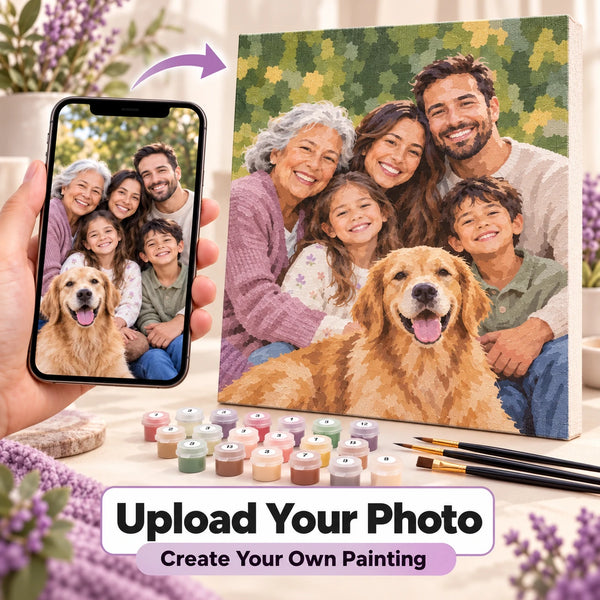
Custom Paint by Numbers Kit From Your Photo
$34.99

Bunny Tea Party Paint by Numbers Kit
$29.99

Moonlit Ocean Serenity Paint by Numbers Kit
$29.99

Tall Sailing Ship Golden Sunset Paint by Numbers Kit
$29.99

Herb Bundles in a Spell Kitchen Paint by Numbers Kit
$29.99
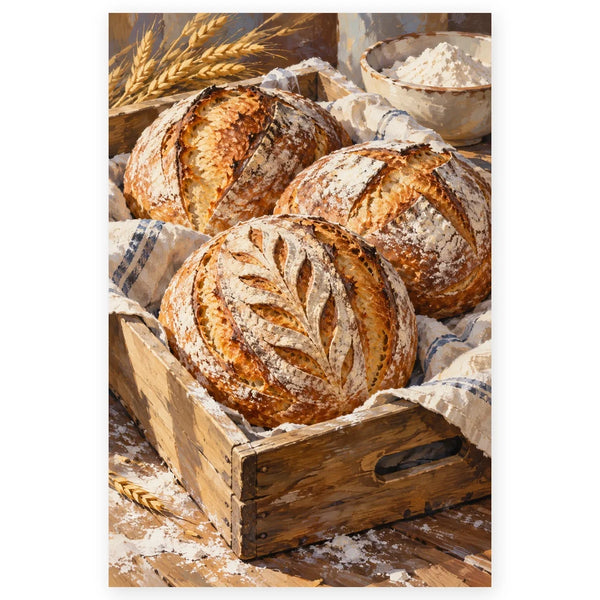
Sourdough Loaves Bakery Crate Paint by Numbers Kit
$29.99

Wood Fired Oven Sourdough Bread Paint by Numbers Kit
$29.99
