Diamond Painting Guides

A Creovia beginner guide
Water Spilled on a Diamond Painting Canvas? What to Do
Find out what to check when water reaches diamond painting film, adhesive or completed drills, and when to ask your kit seller for help.
If water spills on a diamond painting canvas, stop working and check where it went before touching the sticky area. Move the drink away, protect any electrical equipment, and take a clear photo of the affected section. Keep the canvas supported on a clean surface and contact the kit seller for advice if water has reached the adhesive, printed chart or finished drills.
A few drops on top of an intact protective film are different from water trapped beneath that film. There is no universal drying time or guaranteed fix for every canvas, because the materials and extent of the spill can differ. The goal is to avoid spreading the moisture or adding another problem while you find out what your particular kit needs.
First, make the workspace safe
Put the container away from the canvas and stop placing drills. If a light pad, electric pen or power connection may have become wet, do not touch a wet plug or device. Disconnect power only if you can do so safely without touching wet equipment; otherwise switch off the power at the source and seek help. Leave affected electrical equipment disconnected and follow its manufacturer's instructions before using it again.
Move loose drill packets, a paper color key and other supplies away from the wet area. Close containers without mixing colors. If the table itself is wet, clear and dry an adjacent space before moving the canvas there. Support the canvas as you move it, rather than letting the wet portion hang, fold or drag across the table.
Take photos of the affected area and the kit's identifying information. Note what spilled, when it happened, whether protective film was in place and which parts appear wet. This gives the seller useful information if you need advice and helps you remember what happened before the area changes.
Water on top of the protective film
If the film is intact and the water is only on its outer surface, gently remove the standing water from that non-adhesive surface with a clean, absorbent cloth. Keep the cloth away from any exposed adhesive and avoid pushing water toward the film's edges. Check the surrounding table and canvas border for moisture too.
Do not immediately peel off a large section just to investigate. If liquid appears to have reached an edge or seeped under the film, pause and ask the seller how to handle that area. Pulling a wet cover or wiping a sticky surface without knowing the materials may make it harder to assess what happened.
Once the outside of the film and surrounding workspace are dry, inspect the visible area. If you cannot tell whether moisture entered underneath, include that uncertainty in your message and send a photo. The cover helps protect the adhesive during normal work, but it should not be treated as a waterproof seal.
Water on exposed adhesive or printed symbols
Stop placing drills in the affected area. Do not rub it with a towel, tissue or paper, because fibers or debris can remain on the adhesive. Avoid scraping, pressing harder with the pen, adding household glue or using cleaners. Do not apply a hair dryer, iron or heat to speed things up unless the kit maker specifically instructs you to do so.
Keep the canvas flat and supported in a clean, dry area while you ask the seller for instructions. If moisture is pooled, describe its location and amount rather than assuming a wipe, a new adhesive or a particular waiting period is safe for your canvas. Tell the seller if the chart looks blurred, if the adhesive feels different or if paper has stuck to it. They can advise based on the product and the photos.
Do not cover a visibly wet, affected area with a new material unless the seller's instructions say to do so. At the same time, keep unrelated items away so they do not touch the exposed adhesive. A clean, undisturbed work area gives you room to wait for product-specific guidance.
Water on completed drills or the back of the canvas
If water reached a completed section, avoid rubbing across the drills or pressing on them while the area is wet. If any pieces have shifted or lifted, photograph them and keep loose drills separated by color when possible. Ask the seller whether and how to handle the affected section; a repair approach can depend on the canvas and what was spilled.
If the back or border is wet, keep the artwork supported on a clean surface and avoid folding or rolling it tightly. Check whether the moisture also reached the front, edges or printed key. Do not store a visibly wet canvas in a closed container, and do not put it on an electrical light pad. Ask the seller how to dry the specific canvas before returning it to storage.
What if the spill was coffee, tea or another drink?
Tell the seller exactly what was spilled, including milk, sugar or other ingredients if you know them. A drink may leave residue as well as moisture, so a suggestion for plain water should not automatically be applied to coffee or juice. Avoid washing the canvas or applying a cleaning product until you have instructions for that material.
If a large area is soaked, the image has visibly changed, or material has adhered to the canvas, stop and ask for help rather than repeatedly testing the surface. Keep your order information and photos together so support can see the scale of the issue.
Set up a cleaner workspace for next time

Place drinks on a separate surface, away from the canvas, tools and power connections. Work with only a small area of adhesive uncovered and replace the kit's protective film between sessions. Reusable diamond painting release paper is another way to cover sections during normal crafting; check the product's available size and use instructions. Neither release paper nor the original cover should be assumed to waterproof the canvas.

Keep drill colors in closed, labeled containers away from drinks. A diamond painting storage organizer gives containers and tools a dedicated place between sessions; select the capacity that fits the project. Closing and storing supplies can reduce clutter, but the product listing does not describe the case as waterproof, so keep it away from liquids as well.
For a routine between sessions, see How to Store a Diamond Painting Between Sessions. Protecting a dry canvas and identifying drill colors are useful habits even when you have never had a spill.
Frequently asked questions
Will water ruin a diamond painting canvas?
Not every spill has the same effect. The result depends on where the water reached and the canvas materials. Photograph the area and ask the seller for product-specific guidance.
Can I wipe water off the sticky canvas?
Avoid rubbing exposed adhesive with a cloth or tissue, which can leave fibers. Contact the kit seller for instructions suited to the affected area.
Can I use a hair dryer on a wet diamond painting?
Do not apply heat unless the kit maker specifically instructs you to do so. Ask the seller how to handle the affected canvas instead.
What if water is only on the protective film?
Gently remove water from the outer surface of intact film without pushing it toward the edges. If liquid may have entered underneath, ask the seller for advice.
Is diamond painting release paper waterproof?
Do not assume release paper makes the canvas waterproof. Use it to cover sections as directed and keep drinks away from the project.
Find your next project
Explore diamond painting kits.

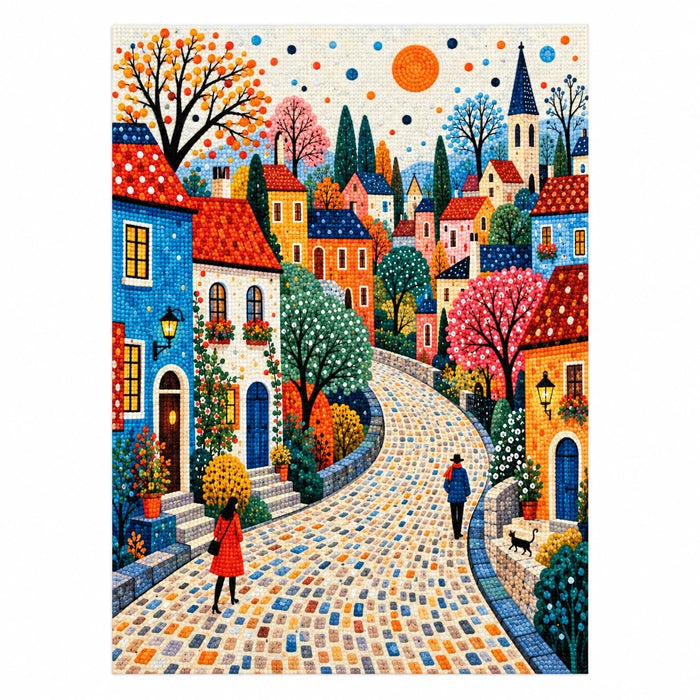
Colorful Village Street Diamond Painting Kit
$23.99

Tropical Hibiscus Queen Diamond Painting Kit
$23.99

Santa Hug Reindeer Diamond Painting Kit Christmas
$23.99
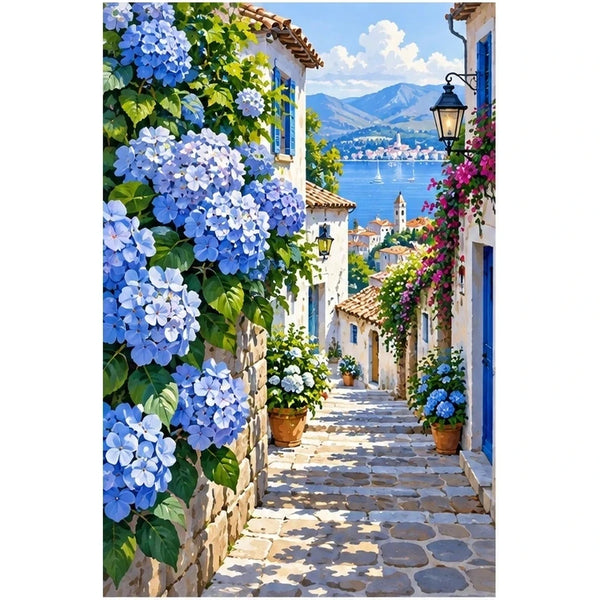
Blue Hydrangea Village Diamond Painting Kit
$23.99

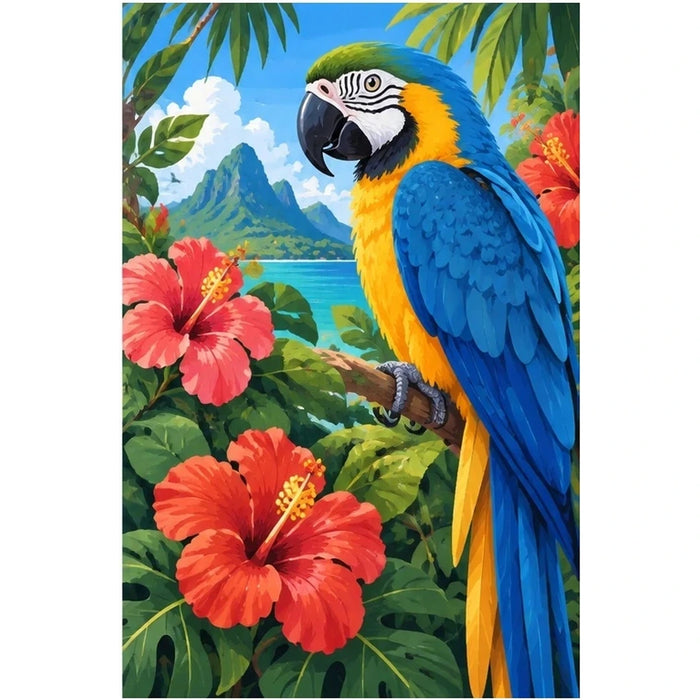
Tropical Macaw Hibiscus Diamond Painting Kit
$23.99

Santorini Sunset Village Diamond Painting Kit
$23.99
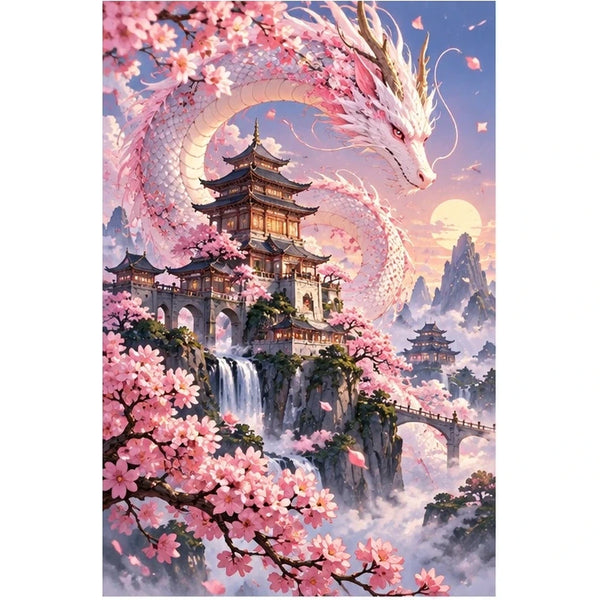
Pink Dragon Cherry Blossom Pagoda Diamond Painting Kit
$23.99