Diamond Painting Guides

A Creovia beginner guide
How to Choose a River Diamond Painting: Water, Color, and Scene Depth
Compare rainforest streams, canyon rivers, and autumn waterfalls by composition, color, size, and kit options.
How to Choose a River Diamond Painting: Water, Color, and Scene Depth
A river can be the subject of a landscape or the line that leads your eye through it. In one diamond painting, water winds through ferns and moss. In another, it cuts across an open canyon beneath a bright sky. If you are comparing river diamond painting kits, the surroundings, light, and shape of the water will help you find a scene that feels right for your room.
Start with the full composition rather than the product title. Look at where the river enters and leaves the canvas, how much of the image is water, and what fills the space around it. Those details make a forest stream feel different from a broad canyon river or a waterfall framed by autumn trees.
Choose the landscape around the water
Ask what you want the river to sit beside. A dense green setting creates many layers: foreground leaves, rocks at the water's edge, and darker trees farther back. An open canyon gives the water more room and makes the cliffs and sky part of the main composition. Autumn foliage shifts attention toward warm leaves and seasonal color.
The Pacific Rainforest River Diamond Painting Kit shows a clear stream winding through rainforest foliage, ferns, and mossy rocks. The Grand Canyon Sunrise River Diamond Painting Kit pairs a winding river with a sunrise canyon view. If moving water and fall color appeal to you, compare the Golden Autumn Waterfall Diamond Painting Kit.
These are different visual jobs for the river. In the rainforest scene, the stream sits among close-up natural textures. In the canyon design, it gives the eye a route through a wide landscape. The waterfall makes the water itself the focal point. Decide which arrangement you want to spend time looking at before comparing sizes or formats.
Notice the river's direction and movement
A curved river can pull your eye from the foreground toward a distant bend. A waterfall creates a stronger vertical path. A broad, calmer stretch of water can leave more open space in the composition. When you view a design, trace the water from one edge of the image to the other. Notice whether it leads toward a mountain, a grove, or an area of bright sky.
That quick check helps when two designs use similar colors. One may feel layered and enclosed because rocks and leaves frame the water. Another may appear more expansive because the river crosses an open valley. Neither arrangement is automatically easier or better; choose the type of scene that fits your taste and display space.

Compare color contrast, not just color names
River scenes often combine several kinds of contrast: cool water against warm rock, bright sky against shaded trees, or pale foam against dark stones. Look at where the strongest contrast falls. If it sits around the water, the river will stand out. If it is concentrated in the sky or foliage, your eye may move first to those parts of the scene.
For a room with muted colors, a forest river image can bring in greens without relying on a large block of saturated color. A sunrise canyon may add warmer tones. An autumn waterfall can provide a more seasonal palette. Check the product artwork at a larger view and compare it with the colors already in your room instead of relying on the title alone.
Pick a canvas size that fits both the image and the wall
The Pacific Rainforest River and Grand Canyon Sunrise River listings currently show 20 × 30 cm, 30 × 40 cm, and 40 × 50 cm choices. Measure the area where you may display the finished work, then leave margin around the frame or canvas. A larger option occupies more wall space and gives the artwork more physical area; it may also take more time to complete.
Do not assume that size alone tells you how much detail a canvas contains. Look closely at the scene. Ferns, moss, and rocks create a different pattern of small areas from wide canyon walls or broad stretches of sky. If you prefer a design with more visible texture, compare the artwork itself and select a size that suits the space and project you have in mind.

Check drill and framing options on the listing
Both Pacific Rainforest River and Grand Canyon Sunrise River currently offer Round or Square drills, plus Framed and No Frame styles. These are product options, so verify the live selector before ordering. The available combinations can vary by size.
If you already have a frame or plan to use a separate one, compare the No Frame option with the dimensions listed for the canvas. If you want the kit to arrive in a framed style, check that the exact size and format are available together. The product page is the right place to confirm the variant you are selecting.
Use the kit details as your final check
Before checkout, confirm the product title, size, drill shape, and framing style. The Grand Canyon Sunrise River listing describes a color-coded adhesive canvas, pre-sorted resin drills, applicator pen, tray, and wax. Kit contents can differ by product, so use the details on each listing rather than assuming every diamond painting set includes identical materials.
If this is your first project, our diamond painting beginner guide explains the symbol-matching process and basic kit materials. Then return to the product pages to compare the actual designs and current options. A river diamond painting is a better fit when its landscape, color contrast, canvas size, and format all make sense for your plans.
Frequently asked questions
How do I choose a river diamond painting?
Compare what surrounds the water, such as forest, canyon, or autumn foliage, then look at the direction of the river and the contrast between the water and its banks. Choose the composition you would most enjoy displaying.
What size should I choose for a river diamond painting kit?
Start with the wall space you have and compare it with the dimensions listed for the design. Pacific Rainforest River and Grand Canyon Sunrise River list 20 × 30 cm, 30 × 40 cm, and 40 × 50 cm options; confirm current variants on the product page.
Are river landscape diamond painting kits suitable for beginners?
The kits use the same symbol-matching placement process as other diamond paintings. If you are new, compare the artwork's small details and the available canvas size, then follow the instructions supplied with the kit.
Should I choose round or square drills for a river scene?
Both the Pacific Rainforest River and Grand Canyon Sunrise River listings offer round or square drills. Choose the shape you prefer and check the variant selector for the current options.
Can I order a river diamond painting framed?
The Pacific Rainforest River and Grand Canyon Sunrise River listings show framed and no-frame options. Confirm that your preferred combination is available for the selected size before ordering.
Find your next project
Explore diamond painting kits.

Colorful Village Street Diamond Painting Kit
$23.99

Santa Hug Reindeer Diamond Painting Kit Christmas
$23.99
Tropical Hibiscus Queen Diamond Painting Kit
$23.99

Tropical Macaw Hibiscus Diamond Painting Kit
$23.99
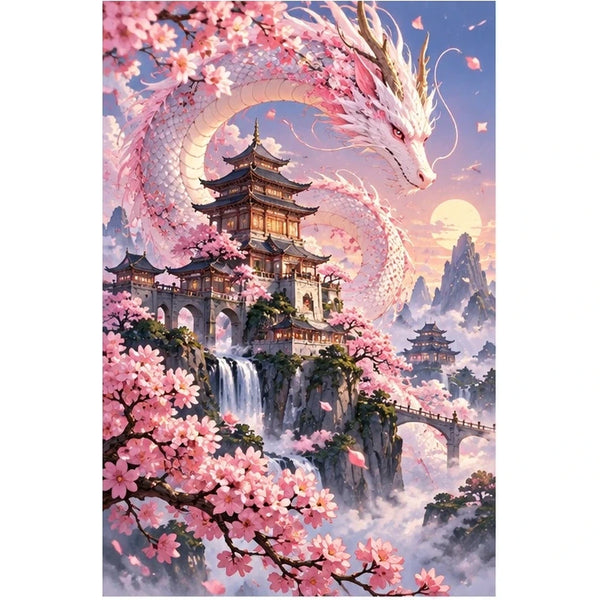
Pink Dragon Cherry Blossom Pagoda Diamond Painting Kit
$23.99
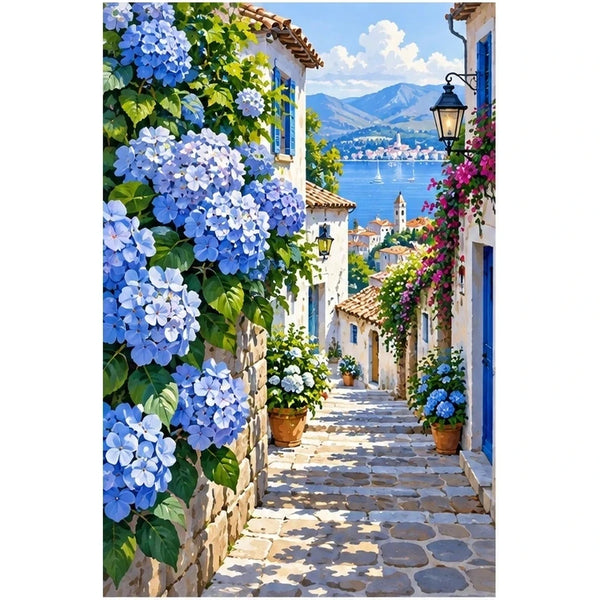
Blue Hydrangea Village Diamond Painting Kit
$23.99
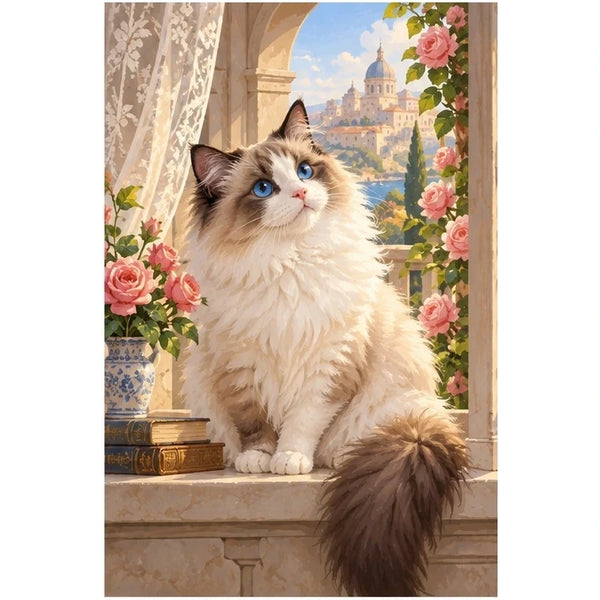
Ragdoll Cat Rose Window Diamond Painting Kit
$23.99