Diamond Painting Guides

A Creovia beginner guide
Can Two People Work on One Diamond Painting? A Shared-Canvas Guide
A practical setup for two people sharing one diamond painting canvas, including work zones, separate tools, color handling, and storage.
Can Two People Work on One Diamond Painting? A Shared-Canvas Guide
Yes, two people can work on one diamond painting canvas if they can share the work area and agree on a simple way to handle colors. The practical challenge is coordination: both makers need a clear place to work, the same color key, and enough room to keep their tools and loose drills separate. If one person prefers to work at a different pace or use a different project, separate canvases may be a better fit.
This guide focuses on sharing one canvas between two people. It is different from hosting a group craft night, where each participant works on an individual kit. A shared canvas can be a nice joint project, but it does not mean that one kit automatically includes duplicate tools or enough supplies for two. Check the listing for the exact kit contents before you plan.
Decide whether to share one canvas or choose two
One canvas gives both people a shared finished image. You can divide it into zones, choose separate areas, and see one design take shape together. It can also ask for more coordination: both people use the same symbol chart, color set, and adhesive surface. If you want to work on different designs or pause without affecting someone else’s workspace, two smaller projects may be easier to manage.
Before choosing a shared canvas, look at the full artwork and its dimensions. A design with clear sections or larger color areas may be simpler to divide than a very dense image with tiny symbols everywhere, but the actual experience depends on the canvas. Use the full-size product image and the variant menu rather than assuming a particular size guarantees an easier session. Creovia’s diamond painting size guide can help you think about the canvas dimensions and the space where you plan to work.
If you are new to the craft, it may help for both people to review the basic symbol-matching and drill-placement steps first. Starting with the same instructions gives you a shared reference when you change colors or divide the canvas.
Make two work zones with a clear boundary
Place the canvas flat on a stable surface and make sure each person can reach their own side without leaning over the other person’s work. Agree on a boundary, such as the middle of the canvas or an edge between two large visual areas. Leave a small gap between the zones if it helps you avoid placing drills in the other person’s space. You can always fill that gap later once the larger areas are done.
Keep the protective sheet over the parts you are not working on. Uncover only a manageable section at a time and follow any care instructions included with your kit. The idea is to keep the unused adhesive area covered while both people work, not to expose the whole canvas for convenience.

Shared-workspace concept illustration; divide your actual canvas according to its printed design and kit instructions.
Use separate tools and keep color changes organized
Before you begin, check how many applicator pens, trays, and other tools are included in the selected kit. If you want both people to place drills at the same time, set aside a separate pen and tray for each maker. Do not assume one tray will stay organized if both people pour drills into it at once. Separate tools let each person work at a comfortable pace without handing supplies back and forth over the canvas.
Agree on a color routine. One person can call out the symbol and code when a new color is needed, or each person can verify colors independently against the printed key. Either way, keep open packets and poured drills labeled. Use different trays for a shared color if needed, and return leftovers to the correct container before switching. The diamond painting tools guide reviews common supplies and how they fit into a project.

Separate-tool concept illustration; confirm the quantity of included tools on the product listing.
Coordinate pace without rushing
Two people may work at different speeds, and that is fine. You do not have to complete matching amounts of the canvas in each session. Agree that each person will stay within their zone unless you decide to switch, and leave a note or mark a paper copy of the chart if you need to remember which colors are in progress. A pause should not require the other maker to stop if both work areas and trays are separate.
If you switch sides, pause to compare the symbol chart and the completed area before continuing. That quick check can catch a misplaced color while it is still easy to notice. Use gentle placement and follow the tool and canvas directions; there is no benefit in pressing harder just to keep up with someone else.
Take breaks and store the shared project together
At the end of a session, stop adding drills, return unused colors to their labeled containers, and cover the exposed adhesive as your kit recommends. Put the pens and trays in a shared supply spot so both people know where they are for next time. If one person is leaving earlier, agree on a clear stopping point and keep the other person’s tools from crossing over the finished section.
For a longer pause, support and protect the canvas according to the product instructions. The guide to storing a diamond painting between sessions explains practical ways to keep an in-progress canvas together between work periods.
Choose the project format that suits both makers
Share one canvas if you both like the same image and are comfortable coordinating tools and color changes. Choose separate canvases if you want independent designs, different schedules, or less setup negotiation. Neither option is automatically better. The right choice is the one that lets each person enjoy the repeated placement process and the finished picture.
When you are ready to browse, explore the Diamond Painting collection and check each product page for the available sizes, drill shapes, kit contents, and frame options. Those details can vary by design, so use the selected listing as the source for the kit you plan to share.
Frequently asked questions
Can two people work on the same diamond painting at once?
Yes, if there is enough room for each person to reach a separate section and manage their tools. Divide the canvas clearly, keep the unused adhesive covered, and avoid reaching across the other person’s work.
Does one diamond painting kit include enough tools for two people?
That depends on the selected kit. Check the product listing for the number of pens, trays, and other included tools. If both people will work at once, plan separate tools so each person can manage drills independently.
How should two people divide one diamond painting canvas?
Choose a visible boundary such as the middle or a natural edge in the artwork, then give each person a separate area. Leave a small gap if helpful and finish that area together later.
How can we keep drill colors from getting mixed up?
Match each color to the printed symbol and key, keep open packets labeled, and use separate trays. Return leftover drills to the right container before changing colors.
Is it easier to share one large canvas or use two kits?
It depends on how you want to work. One canvas creates a shared finished image but needs coordination. Two kits allow separate designs and schedules but need more workspace and separate supplies.
Find your next project
Explore diamond painting kits.

Colorful Village Street Diamond Painting Kit
$23.99

Santa Hug Reindeer Diamond Painting Kit Christmas
$23.99
Tropical Hibiscus Queen Diamond Painting Kit
$23.99

Tropical Macaw Hibiscus Diamond Painting Kit
$23.99
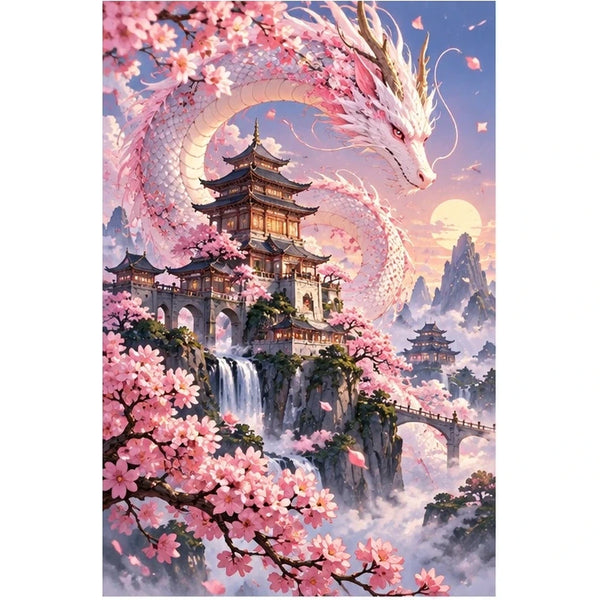
Pink Dragon Cherry Blossom Pagoda Diamond Painting Kit
$23.99
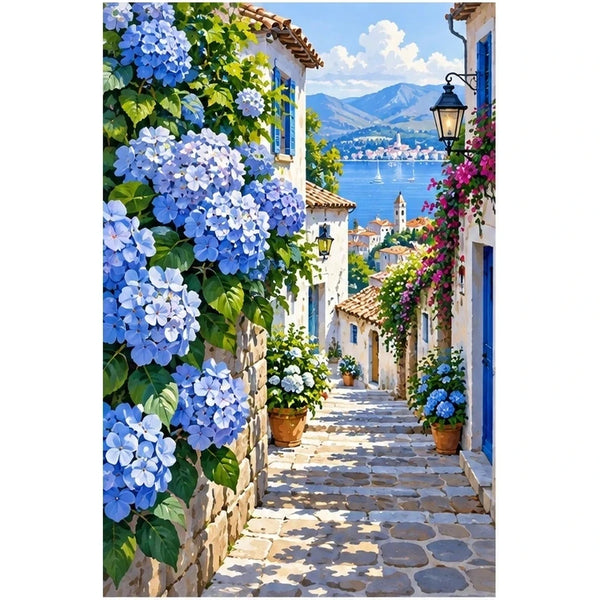
Blue Hydrangea Village Diamond Painting Kit
$23.99
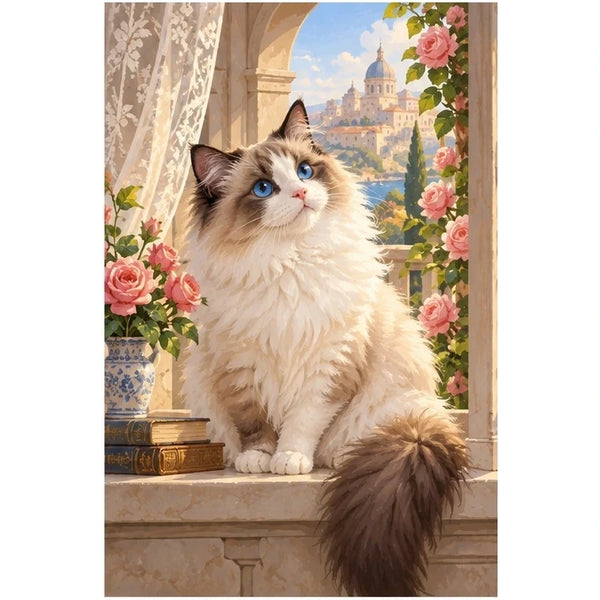
Ragdoll Cat Rose Window Diamond Painting Kit
$23.99