
Paint by Numbers Guides

A Creovia beginner guide
Dried Acrylic Paint on a Paint by Numbers Brush? What to Do
Learn how to assess dried acrylic on a paint by numbers brush, check cleaning compatibility, and decide when to replace the brush.
If paint has dried on your paint by numbers brush, first determine whether the paint is still wet or has hardened into a film. Clean fresh paint according to the brush maker's directions. Fully dried acrylic is harder to remove and may require a cleaner intended for dried acrylic; check that the product is suitable for your brush before using it. Some brushes will need replacing.
Work away from your canvas and open paint pots. Do not pull hard on the bristles, cut the tip, or reach for a household solvent in the hope that it will fix the brush. A fine point is easy to distort, and a cleaner that works on one brush may damage another handle, ferrule, or fiber.
Is the paint still wet or already hard?
Look at the tip and the base of the bristles under good light. If the paint is still soft and transfers to a cloth, follow the normal cleaning directions supplied with your brush and paint. Gently remove excess paint as directed, then complete the recommended cleaning before the remaining color dries.
If the bristles feel rigid and a film has formed, treat this as a dried-paint problem rather than expecting an ordinary quick rinse to restore the point. Winsor & Newton's acrylic brush care guide explains that dried acrylic is not soluble and stresses cleaning before paint dries. Its guidance applies to acrylic brushes; your own brush and paint instructions still matter.
A stained but flexible bristle is different from a hard clump. Pigment can leave color behind without necessarily changing the brush's working shape. Inspect whether the fibers move together, form the intended point, and make a clean mark on scrap paper before deciding a stain is a problem.
For fresh paint, clean without bending the tip
If the brush directions permit rinsing, gently remove excess paint and rinse as instructed. Do not jam a small brush against the bottom of a cup or rub the tip aggressively across a rough surface. Work from the base toward the tip when handling the fibers, and keep cleaning water away from the numbered canvas and open paint pots.
Creovia's Professional Artist Brush Set – 12 Pieces is listed with synthetic bristles. Its care instructions say to rinse promptly after use, gently reshape the bristles, and dry flat; they also say not to leave brush heads soaking in water or solvent. Follow those instructions for that set instead of assuming a long soak is appropriate.

For a routine between-color change, the brush cleaning guide covers keeping the next paint color from becoming contaminated. The decision here is different: once the paint has hardened, check both the cleaner and the brush before attempting a deeper treatment.
For hardened paint, check the brush and cleaner together
Read the brush's care instructions and the label for any cleaner you are considering. Look for an explicit statement that it is intended for dried acrylic and suitable for the brush fibers and other materials. A cleaner may have restrictions on handles, ferrules, painted finishes, or plastics. If either set of directions is unclear or conflicts, ask the brush or cleaner manufacturer before proceeding.
For example, Winsor & Newton describes its Brush Cleaner & Restorer as a cleaner for dried acrylic, while also advising against contact with brush handles and certain plastic surfaces. That is information about that specific product, not approval to soak any Creovia brush or use a different cleaner in the same way.
Follow the chosen product's full instructions, including precautions and disposal directions. Do not mix cleaners or improvise with boiling water, nail-polish remover, paint stripper, or a sharp scraper. A product designed for fresh paint may not remove a cured film, and a strong household chemical can damage the brush.
Inspect the result before returning to the canvas
After the permitted cleaning process, check that the fibers are clean enough to move as a group. Gently reshape the brush as its instructions direct, let it dry in the recommended position, and inspect the ferrule and handle. Keep a damp brush away from paint pots until excess moisture has been removed.
Test on scrap paper before using a fine brush on a small numbered area. A usable detail brush should form a controlled point and make the kind of mark you need without stray hairs dragging through neighboring colors. This is a practical check, not a guarantee that the brush has returned to its original condition.
If fibers remain stiff, fan out, fall out, or the ferrule is loose, do not force the brush back into detailed work. You may be able to reserve it for a task where its current shape is acceptable, or replace it. Never use loose bristles on an area where they are likely to become trapped in wet paint.
Choose a replacement for the work you actually do
If the damaged brush was your small detail tool, the Precision Detail Brushes – Set of 6 lists six fine-point brushes for tiny numbered areas and touch-ups. Black and White are handle-color choices, with six brushes in each selected set. A spare can be useful while another brush is being cleaned and dried; it will not restore a brush with permanently damaged fibers.

If you also need a broader brush for larger blocks of color, compare the 12-piece artist set's Round, Flat, Angled, and Filbert options. Each selected option contains one style in graduated sizes, rather than all four styles together. Check the product page for availability and current contents before ordering.
Prevent the next hard clump
Load a manageable amount of paint and avoid letting it collect high up near the ferrule. Close each paint pot when you are not using it. At a pause, clean the brush promptly as directed instead of leaving paint in the bristles overnight. If you switch brushes, give the used brush its own clean resting place and complete the recommended care before storing it.
Keep brushes where the tips are not pressed against a lid, another tool, or the edge of a jar. Once dry, organize them so you can select a fine point for small areas and a broader shape for larger sections without handling the bristles. A few careful habits help protect the tool and keep a tiny numbered space from becoming a frustrating repair job.
Frequently asked questions
Can dried acrylic paint be removed from a paint by numbers brush?
Sometimes. Fresh or partly wet paint may respond to the brush maker's ordinary cleaning directions. Fully dried acrylic is harder to remove and may need a cleaner intended for dried paint; check compatibility first, and do not expect every brush to recover.
Will water alone dissolve fully dried acrylic paint?
Fully dried acrylic paint is not soluble in water according to Winsor & Newton. Water can help remove paint that is still wet, but it is not a reliable way to dissolve a cured paint film.
Can I soak my Creovia artist brushes overnight?
The current Creovia 12-piece artist brush listing says to avoid leaving brush heads soaking in water or solvent. Follow the care directions for your particular brush and cleaner rather than applying another product's soaking instructions to it.
Should I cut away stiff or bent brush hairs?
Avoid cutting the bristles as a first repair. Trimming changes the intended shape and can make fine work harder. If the tip remains permanently bent or stiff after permitted care, consider replacing the brush.
How do I stop paint drying in my brush during a session?
Work with a manageable amount of paint, clean the brush as directed before paint dries, and close paint pots when they are not in use. Follow the specific brush and paint instructions for cleaning and storage.
Find your next project
Explore paint by numbers kits.

Custom Paint by Numbers Kit From Your Photo
$34.99

Bunny Tea Party Paint by Numbers Kit
$29.99

Moonlit Ocean Serenity Paint by Numbers Kit
$29.99

Tall Sailing Ship Golden Sunset Paint by Numbers Kit
$29.99

Herb Bundles in a Spell Kitchen Paint by Numbers Kit
$29.99
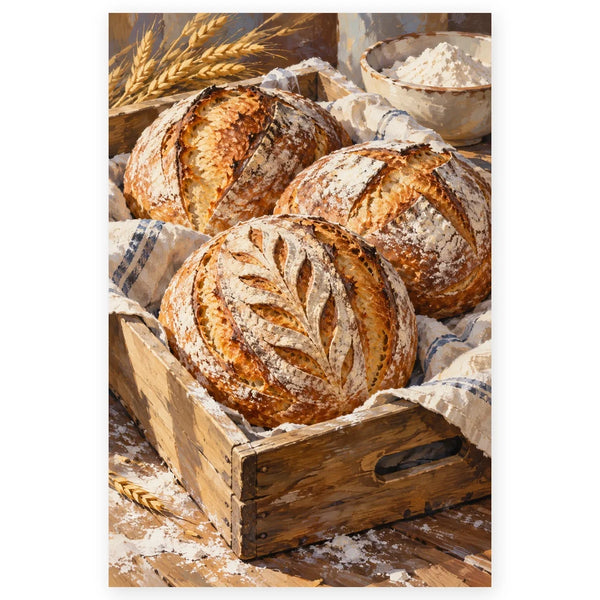
Sourdough Loaves Bakery Crate Paint by Numbers Kit
$29.99

Wood Fired Oven Sourdough Bread Paint by Numbers Kit
$29.99
