Diamond Painting Guides

A Creovia beginner guide
How to Dust a Finished Diamond Painting Safely
Check the drill surface, use a light dry touch where appropriate, and care for framed or sealed diamond art.
To dust a finished diamond painting, first check that the drills are secure and read the kit's care instructions. If gentle dry cleaning is allowed, support the artwork and try a clean, soft brush on a small area with a light touch. Stop if a drill shifts, the brush catches, or the surface has exposed adhesive that collects fibers.

Inspect the artwork before you clean it
Look across the finished surface under comfortable light. Check corners and edges for loose or raised drills, areas where the adhesive remains exposed, and any finish or sealant that may have its own care instructions. If the artwork is hanging, take it down only if you can safely support it; a clean, flat surface gives you more control than brushing a piece that moves on the wall.
Keep a loose drill in a labeled container if one comes away. Do not rub harder to remove the surrounding dust. If several pieces shift or the canvas appears damaged, stop and ask the seller about that kit before continuing. The finishing and framing guide covers inspecting a completed canvas.
Use a light, dry touch where the instructions allow
Choose a clean, soft brush that will not shed bristles. Test a small, discreet section first, moving lightly across the tops of secure drills rather than scrubbing between them. Keep the canvas supported and avoid bending or twisting it. If the brush snags on a drill or lifts a piece, stop; the issue needs attention before further cleaning.
One diamond painting manufacturer's care FAQ describes using a soft brush or similar tool and avoiding excessive pressure for its own products. Materials and finishes differ, so use that as a general example and follow the instructions for your particular canvas.

Keep the canvas, frame, and front panel separate
If the artwork has a frame or protective front panel, identify which surface needs attention. Dust on the outside of a panel is different from dust on the drills beneath it. Follow the frame and panel maker's cleaning directions and keep any liquid away from the canvas edges. Do not spray cleaner directly onto the frame or artwork.
A frame can change how much of the drill surface is exposed. When choosing a future project such as Blossom Bookshop, check the exact frame option and make a separate plan for displaying and caring for the completed piece. A decorative frame or panel should leave room for the raised surface; it does not automatically make the artwork waterproof.
When dust is caught in adhesive or a coating
Loose surface dust is different from hair or debris stuck between drills or in exposed adhesive. Do not soak, scrape, use adhesive tape, or add household glue to pull it out. Check the kit instructions and contact the seller if you cannot remove the debris without disturbing the surface.
If the picture was sealed, consult the finish manufacturer's care guidance as well. A cleaner suitable for glass, for example, is not automatically suitable for a coating or the canvas underneath. Do not assume water, alcohol, or household sprays are safe for all diamond paintings. If you are considering a new coating, our diamond painting sealing guide explains the separate decision.
Reduce dust without changing the artwork
Choose a display spot away from places where the picture is frequently brushed by clothing or exposed to kitchen grease and splashes. If you add a front panel, check its clearance above the drills rather than pressing it against them. Store a completed piece flat and supported when possible, with no heavy objects resting on the raised surface.
Check the display occasionally, and address a small amount of loose dust before it accumulates. The best routine is one that works with your kit's instructions and the materials you actually used, without unnecessary pressure on the picture.
Frequently asked questions
How can I dust a finished diamond painting?
If the kit's instructions allow it and the drills are secure, support the artwork and use a clean, soft, dry brush lightly on a small area first. Stop if a drill moves or the brush catches.
Can I use water to clean a diamond painting?
Do not assume every canvas, adhesive, finish, or frame can be cleaned with water. Follow the directions for your specific materials and ask the seller if they are unclear.
What if a drill comes loose while I am dusting?
Stop, keep the loose drill, and check the kit's instructions. If several drills shift or the adhesive appears damaged, ask the seller for guidance before continuing.
Does a framed diamond painting still need cleaning?
Dust can collect on an outer frame or front panel. Clean those surfaces separately using the frame maker's directions, and keep any cleaning liquid away from the artwork.
Explore this topic
A kit to explore
Compare the current artwork and options on each product page before choosing.

Blossom Bookshop Diamond Painting Kit
$23.99
Step into a pastel bookshop blooming with roses. This charming diamond painting kit combines books, flowers, and soft pink storefront details for a relaxing creative project and a cheerful finished...
Find your next project
Explore diamond painting kits.

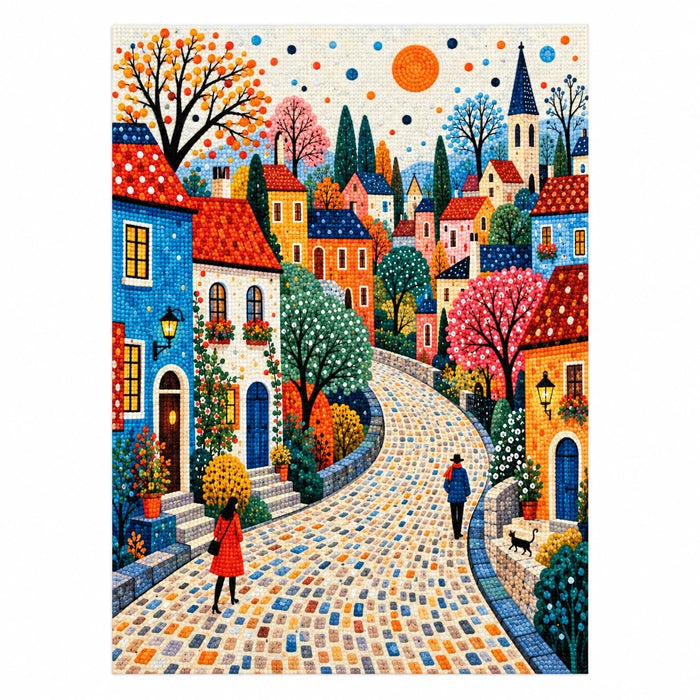
Colorful Village Street Diamond Painting Kit
$23.99

Tropical Hibiscus Queen Diamond Painting Kit
$23.99

Santa Hug Reindeer Diamond Painting Kit Christmas
$23.99

Little Bookshop Garden Diamond Painting Kit
$23.99

Parisian Patisserie Diamond Painting Kit
$23.99

Blue Hydrangea Village Diamond Painting Kit
$23.99

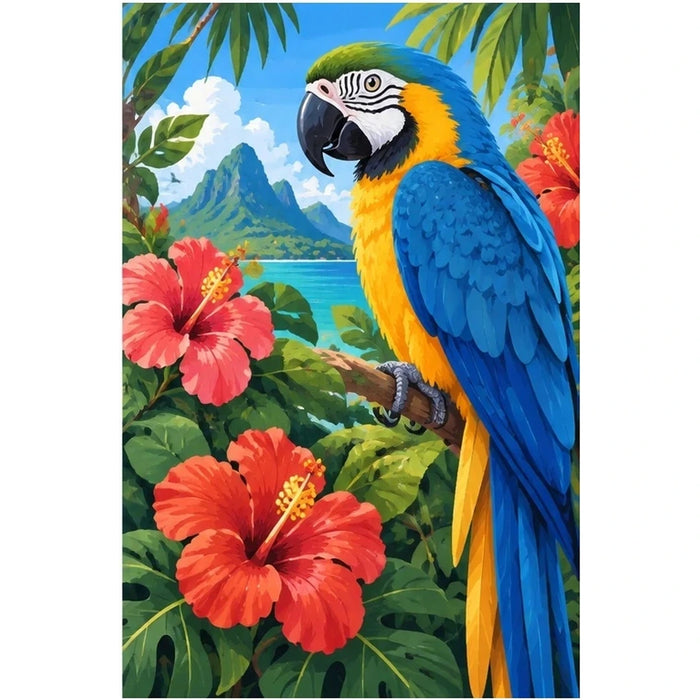
Tropical Macaw Hibiscus Diamond Painting Kit
$23.99