
Paint by Numbers Guides

A Creovia beginner guide
How to Paint Clean Edges in Paint by Numbers
Use controlled brush loading and short strokes to paint within numbered outlines and correct small oversteps carefully.
Clean edges in paint by numbers come from controlling how much paint reaches the brush tip and giving yourself a clear view of the printed outline. A small brush, a steady canvas, and short strokes can make narrow sections easier to fill. You do not need to cover a boundary with a heavy coat to make the image look complete.
This guide explains how to paint within the lines on a paint by numbers canvas, how to approach borders between colors, and what to do if paint crosses a printed edge. The exact brush and paint behavior varies by kit, so use the supplied instructions whenever they differ from general technique.
Prepare the canvas and workspace
Place the numbered canvas on a flat, supported surface. If it bends or slides while you paint, the outline can shift under your brush. Keep the area you are working on comfortably close and rotate the canvas when that makes a line easier to follow. Put the paint pots and water or cleaning supplies within reach, using them only as directed for your particular kit.
Before opening a pot, find the matching number on the canvas and confirm it with the color key. Similar colors can sit next to each other, so do not rely on memory alone. A well-lit surface helps you see where one numbered section ends and the next begins. Keep the palette or pot label visible while you work.
Load a small brush for edge control
Use the brush shape that gives you control over the area. A small pointed or round tip may suit narrow corners, while a broader shape can cover a larger interior. The supplied brush set and canvas determine which option is available. Do not assume that one brush shape is required for every kit; the listing and package details identify the included tools.

Dip only the end of the bristles into the paint and remove excess against the pot edge if appropriate. A brush loaded to its ferrule can release more paint than the small space needs. Start the stroke just inside the outline and move toward the boundary with lighter pressure. When the brush is nearly empty, reload a little rather than pushing a large bead of paint toward the line.
For a long border, use several short strokes instead of one fast sweep. Keep the canvas still and move the brush from the area you can see clearly. If your hand blocks the next section, rotate the canvas or reposition your arm. Trying to paint around your fingers often makes the tip less precise.
Fill the area without flooding the outline
After tracing the edge with a controlled amount of paint, fill the interior with strokes that move away from the boundary. Work in a small section so the paint remains workable according to the product instructions. Do not repeatedly brush over paint that is beginning to dry; that can disturb the surface and create an uneven patch. Let it dry as directed before deciding whether another layer is needed.
Numbers can be visible through some paint colors or after a thin coat. If the kit instructions allow more than one layer, let the first layer dry before adding another. Avoid adding extra paint solely to hide a number before checking the directions. The guide to covering numbers on a paint by numbers canvas explains ways to handle visible numbers without changing the color key or painting over neighboring areas.

Paint neighboring colors with a clean transition
When two numbered areas touch, complete one section and allow it to dry if your hand may rest on it while working on the next color. Rinse or clean the brush as the kit directs, then remove excess moisture before using another paint. A wet brush can thin paint or make it travel farther than intended. Keep each color within its numbered shape; do not blend across a boundary unless the specific design or kit instructions call for it.
For a narrow gap between sections, use the smaller brush and a light touch. If the printed line is hard to see, change the angle of the lamp or canvas instead of guessing. A magnifier is optional; the main goal is a clear view of the boundary and enough space to move the brush tip.
Fix small mistakes carefully
If paint crosses a line, stop before the wet area spreads. Use a clean, slightly damp brush only if the paint is still wet and the kit instructions support that approach. Blot gently rather than rubbing across the canvas. If the paint has dried, do not scrape the printed surface. Let it dry fully, then check whether the adjacent color can cover a small overrun with a careful stroke. Match the correct number and use only the paint supplied or approved for the kit.
A small variation may be less noticeable when viewed at a normal distance than it appears close up. Avoid layering repeatedly in an attempt to make every border look machine-perfect. Extra coats can create a raised edge, cover printed guides, or change the texture. When unsure, compare the area with the surrounding canvas and the kit’s guidance before making another correction.
Common causes of paint by numbers bleed
- Too much paint: excess gathers at the brush tip and runs toward the outline.
- Pressing hard: the bristles spread and push paint beyond the numbered shape.
- Rushing a narrow corner: short strokes provide more control.
- Working over wet paint: a hand or sleeve can smudge the finished area.
- Using a wet brush: extra water may change how paint moves; follow kit directions.
If you want a different detail technique, our guide to paint by numbers brush tips for small details covers brush control, while our paint by numbers starting guide explains the uses of round, flat, angled, and filbert brushes.
Choose a design and check its kit details
Some designs have broad shapes and fewer tight corners; others use many small sections around buildings, leaves, or faces. Compare the finished artwork and available dimensions with the time and workspace you have. The Paint by Numbers collection shows current designs, and the Snowy Mountain River Paint by Numbers Kit listing is a place to check current variants and product information before ordering.
Clean boundaries are mostly a sequence of small decisions: read the number, choose the matching paint, use a manageable amount, and approach the outline from a clear angle. Let each area dry as directed and correct only what needs correction. This keeps the process controlled without making unsupported assumptions about every paint or canvas.
Frequently asked questions
What brush helps paint clean edges in paint by numbers?
A small pointed or round brush can help with narrow corners, while a broader brush may suit a larger area. Use the brush that fits the space and check which tools your selected kit includes.
How do you keep paint from crossing the numbered lines?
Use a small amount of paint, light pressure, and short strokes. Start just inside the outline and move toward the edge rather than pushing a loaded brush across it.
How can I fix paint that crossed a line?
Stop before wet paint spreads. Blot or lift it only if the kit directions support that method; if it has dried, check the number key and make a careful touch-up instead of scraping the canvas.
Should I paint the outlines first on a paint by numbers canvas?
There is no single method for every kit. Follow its instructions; if you trace an edge first, use a controlled amount of paint and let it dry as directed before filling nearby areas.
Find your next project
Explore paint by numbers kits.

Custom Paint by Numbers Kit From Your Photo
$34.99

Coastal Village Flower Stairway Paint by Numbers Kit
$29.99

Milan Tram Corner Evening Paint by Numbers Kit
$29.99
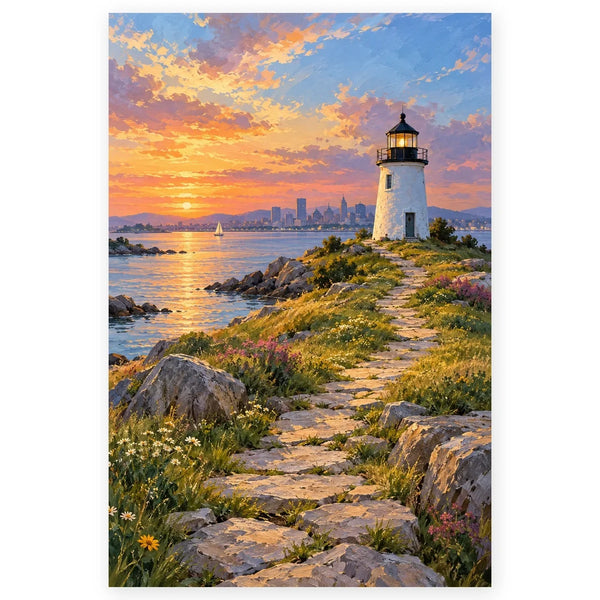
Boston Lighthouse Island Path Paint by Numbers Kit
$29.99

Copenhagen Canal Bicycle Bridge Paint by Numbers Kit
$29.99
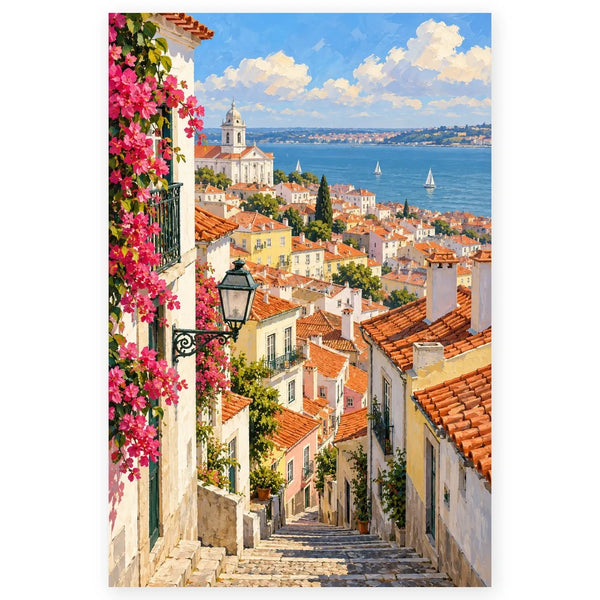
Lisbon Rooftop River View Paint by Numbers Kit
$29.99
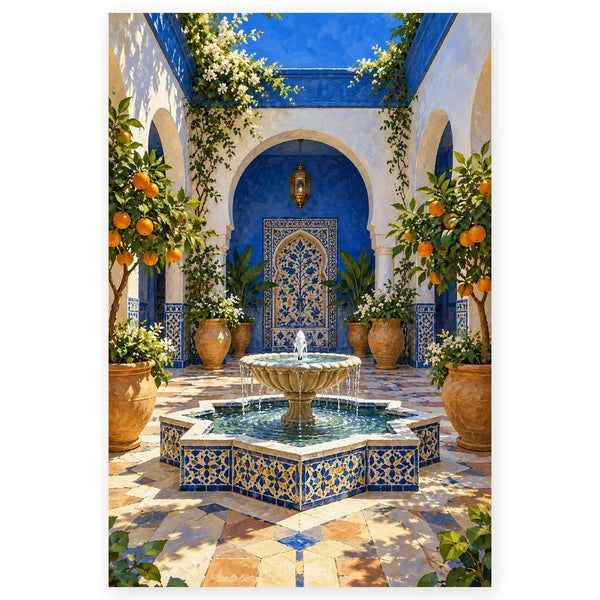
Marrakesh Blue Roof Courtyard Paint by Numbers Kit
$29.99


