
Diamond Painting Guides

A Creovia beginner guide
Diamond Painting vs. Paint by Numbers: How to Choose
Compare the materials, work rhythm, finished surface, and kit details of diamond painting and paint by numbers before choosing a craft.
Diamond painting and paint by numbers both turn a printed design into a finished picture, but the work feels different from the first few minutes. One uses paint and a brush; the other uses small resin drills placed on an adhesive canvas. The better fit depends on which hand movements you enjoy, what you want on your table, and how much setup you prefer. Compare the actual process and product details instead of choosing by the craft name alone.

How paint by numbers works
A paint by numbers canvas is divided into sections marked with numbers. A color key connects each number to a paint color. You check the number, select its paint, and use a brush to fill the matching area. The work involves controlling the brush, loading an appropriate amount of paint, and deciding how to move across the image. You may paint one color across several areas or complete one small section at a time. The kit’s printed guide and product directions explain the specific materials supplied.
Brush handling changes the experience. A broad area may accept a wider stroke, while a narrow boundary or small shape calls for a smaller brush and slower movement. Paint is a physical medium: the amount on the brush and the way it meets the canvas affect coverage. If you prefer a hands-on process with visible brush movement, this may be the part you enjoy.
How diamond painting works
Diamond painting uses an adhesive canvas printed with symbols and a color chart. You match a symbol to its drill color, pick up a resin drill with a placement tool, and set it onto the corresponding spot. The completed surface reflects light from the drills. A session often repeats the sequence of checking a symbol, sorting or opening a color, placing drills, and moving to the next area.
The main attention task is keeping the chart and loose colors organized. Work in a manageable area, keep the rest of the adhesive protected, and return drills to their labeled containers when you change colors. The listing for each kit should identify available drill shapes, sizes, and included tools; those details can vary from one design to another.

Compare the supplies and cleanup
Paint by numbers usually means keeping paint pots, brushes, and a protected table close at hand. Have a stable place for an open pot and somewhere to rest a brush between colors. If the kit directions call for rinsing a brush, use the stated method and keep water away from the canvas and paint containers. Close each pot when it is not in use. A small work mat can help protect a table, but it does not replace the product’s care instructions.
Diamond painting uses drills, a tray, a placement tool, and a color key. A tray helps keep loose drills from rolling across the table. Put unused colors away rather than leaving several open containers within reach. Neither project is mess-free: one uses fluid paint, and the other has small pieces. Choose the supplies you are more comfortable organizing and make room for them before starting.
Think about rhythm and pausing
Paint by numbers offers changes in brush movement and color as you switch sections. You can work from a central area outward, follow one color at a time, or choose a small portion that fits the time you have. The painted areas need to be handled according to the kit’s instructions; do not assume every paint or canvas behaves the same way.
Diamond painting can feel more repetitive because placement is the central motion. That consistency appeals to some crafters, while others prefer the variation of brushwork. Short sessions work for both crafts. For paint, close the pots and clean tools as directed. For drills, cover the canvas and return colors to labeled containers. These habits make it easier to resume without guessing what you were doing.
How the finished surface differs
Paint creates areas of color on the canvas, with the final appearance influenced by the kit’s paint, printed boundaries, and how the brush covers each section. Diamond drills create a raised, faceted surface that catches light. Neither finish is universally better; they look and feel different. Look at the full artwork and close-up product images to understand what the design looks like before choosing.
Consider where you expect to display the finished piece and how much detail you want to see from normal viewing distance. Product images can show a close crop that emphasizes texture, so compare that with the full composition. The listing’s stated dimensions and format matter more than an image viewed at screen size.
Choose by the task you want to repeat
If you like working with paint, changing brush size, and filling enclosed areas, paint by numbers may suit your preferences. If you enjoy following a color chart and repeating a precise placement motion, diamond painting may feel more natural. If you are not sure, browse both categories and compare designs that appeal to you rather than assuming one is easier.
Explore the current paint by numbers collection and diamond painting collection. For more detail on the first steps, read how to start a paint by numbers project or the diamond painting step-by-step guide. Use those pages and the individual listings to check what each project requires before ordering.
Frequently asked questions
What is the main difference between diamond painting and paint by numbers?
Paint by numbers uses paint and a brush to fill numbered areas. Diamond painting uses small resin drills placed on an adhesive canvas according to a printed color key.
Which craft is easier for a beginner?
Neither is automatically easier for everyone. Paint by numbers involves brush control and paint handling; diamond painting involves matching symbols and placing drills. A clear design with a manageable amount of detail can make either process easier to learn.
Which craft is less messy?
Paint by numbers uses open paint pots and brushes that may need cleaning. Diamond painting uses small loose drills that should stay in a tray or container. Both benefit from a protected, organized work surface.
Can I work on either craft in short sessions?
Yes. Close paint pots between sessions, and cover exposed adhesive or protect loose drills as the kit instructions recommend. Store colors so you can identify them when you return.
How do I compare what comes in each kit?
Read the current product listing for the selected design. Included tools, canvas sizes, paint colors, drill shapes, and framing options vary by product.
Find your next project
Choose a design you’ll love bringing to life.

Colorful Village Street Diamond Painting Kit
$23.99
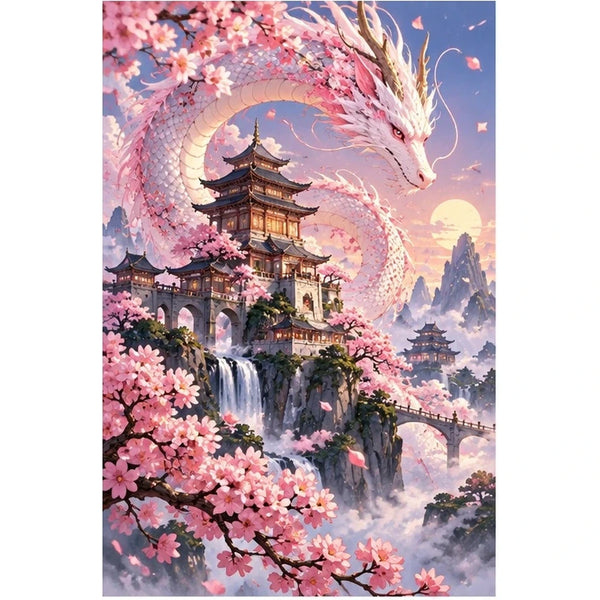
Pink Dragon Cherry Blossom Pagoda Diamond Painting Kit
$23.99

Colorful Rose Bouquet Diamond Painting Kit
$23.99
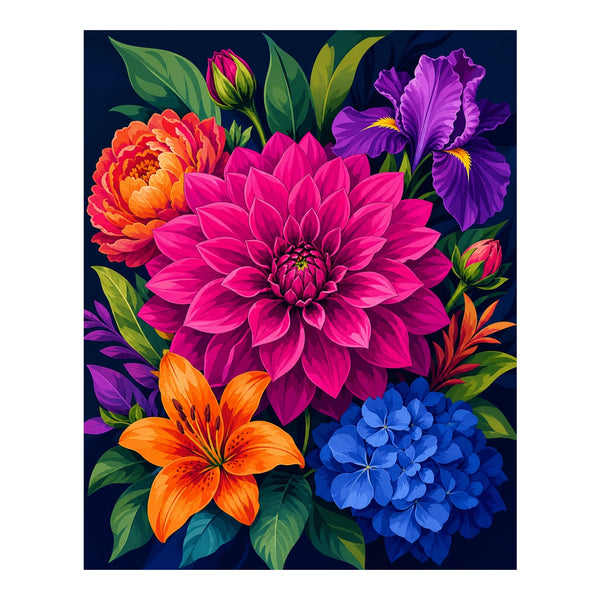
Vibrant Garden Bloom Diamond Painting Kit
$23.99
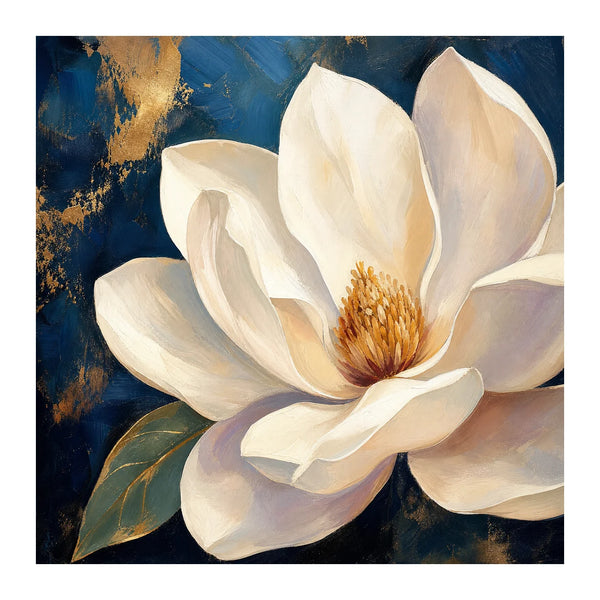
Ivory Blossom On Midnight Diamond Painting Kit
$25.99
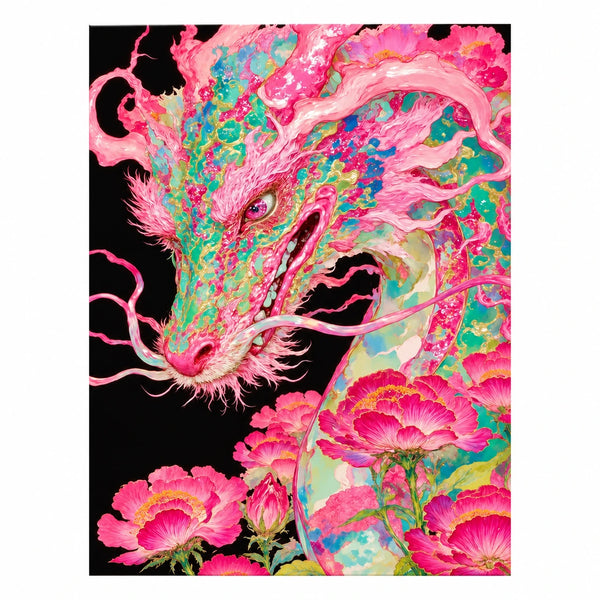
Pink Dragon Among Peonies on a Black Background Diamond Painting Kit
$23.99
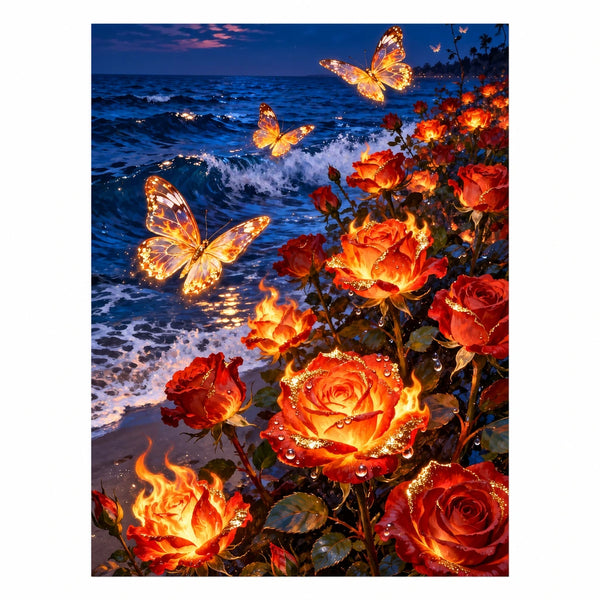
Luminous Butterflies and Fiery Roses Diamond Painting Kit
$23.99
