
Paint by Numbers Guides

A Creovia beginner guide
Why Is My Paint by Numbers Paint Leaving Thick Ridges?
A practical way to assess raised acrylic paint strokes on a numbered canvas, with different next steps for wet and fully dry paint.
Why Is My Paint by Numbers Paint Leaving Thick Ridges?
Raised brushstrokes in a paint by numbers section usually mean the paint is sitting in a heavier layer than you intended. The next move depends on whether that layer is still wet or has dried. While wet, you may be able to spread excess paint gently within the printed boundary. Once dry, repeated brushing or warm water will not reliably flatten the ridge and can disturb the surrounding color. First identify the stage of the paint; then test a small correction rather than working across the entire canvas.
First, decide whether the paint is wet or dry
Look at the raised area from the side under steady light. If the top is still shiny and movable, it is wet enough to handle carefully. If it feels firm or has a skin, leave it alone until it dries according to the kit instructions. A partly set layer can pull into rough patches when a brush drags through it. Touching it repeatedly often makes the surface less even.
Keep the canvas flat while you check. A sloping surface can let a heavy pool travel across a printed border. If you are uncertain whether the area is dry, give it more time rather than scraping at it.
If the heavy paint is still wet
Wipe excess paint from the brush on a palette or suitable scrap, then use a clean, lightly loaded brush to redistribute the thick spot inside the same numbered section. Use a few controlled strokes. Keep the tip away from adjacent colors and do not press hard enough to expose the printed canvas. If paint gathers at the brush tip again, remove that excess before the next stroke. Stop once the layer is reasonably even; chasing a perfectly flat surface can leave more marks.
The brush shape matters. A broad area is easier to level with an appropriate flat or filbert shape than with a tiny detail point. A narrow corner still needs a smaller brush. Choose the shape for the size and edge of the section rather than switching brushes constantly. Creovia’s 12-piece brush set currently lists round, flat, angled, and filbert options; check the current item listing for the selected style.

If the ridge has already dried
Do not try to dissolve it with warm water or scrub the surface. Water may affect neighboring paint differently, and hard rubbing can damage the printed canvas or pull up a layer that was otherwise sound. Let the area dry fully. Then inspect it from the distance at which the finished painting will be displayed. A slight texture may be visible only under side light; you do not need to risk a repair merely because a close-up looks uneven.
If the raised area still distracts you, test a thin, compatible coat over a small part of the same color after the base layer has dried. The new coat should cover the area without spilling across its outline. A second coat can make color coverage more even, but it will not erase a substantial physical ridge. Avoid aggressive sanding on a numbered canvas: it can remove paint, printed guidance, or canvas coating. If the affected patch is large or the paint behaves unexpectedly, keep a photo and ask the kit seller for advice before using another material.
Why a numbered section gets ridged
- Too much paint on the brush: a loaded brush drops a mound at the start of a stroke, especially in a small shape.
- Paint that no longer spreads easily: an open pot or a thick batch may resist a smooth stroke; check the pot and the product directions before changing it.
- Too much reworking: going back over a section as it begins to set can pull paint into lines or lumps.
- A brush that is too small for a broad area: repeated tiny strokes create more edges and overlap.
Canvas weave is also visible under paint. It is not the same as a raised rope of acrylic left by an overloaded stroke. Look at an adjacent completed section under the same light before deciding how much correction is needed.
Test a more workable consistency separately
Do not pour water or an additive into the entire pot as a first fix. Put a small amount of paint on a separate palette or test card and follow the directions for that specific paint or medium. Test how the mixture dries and whether it still covers the printed number. A smoother mixture is not helpful if it becomes too transparent.
Creovia’s current Acrylic Gloss Gel Medium listing says to begin at approximately four parts acrylic paint to one part medium, stir well, adjust gradually, and test a small area. The listing also warns that too much medium can increase transparency. That is guidance for this 30 ml product, not a universal ratio for other mediums or kits. For details on when to use it, read our gel medium guide before adding anything to a paint pot.

Set up the next section to go more smoothly
Check the color key, then load only enough paint for a few controlled strokes. Work from the interior toward the printed boundary so a large blob is less likely to cross the line. If the brush starts dragging, pause and inspect its tip and the paint rather than pressing harder. Close the pot when you move to another color. Our paint-pot storage guide covers habits that help keep open paint from thickening between sessions.
When choosing a future project, look at the design’s broad spaces and tiny details as well as the finished picture. The paint by numbers collection shows current designs; check each listing for its materials and options before ordering. A small test and a lightly loaded brush are more reliable starting points than trying to repair an entire dry surface at once.
Frequently asked questions
Can I add water to thick paint by numbers paint?
Follow the directions for your particular paint first. Test a tiny amount separately before changing a whole pot; too much liquid can reduce coverage or alter the result.
Will another coat flatten dried paint ridges?
A thin compatible coat may even out color, but it cannot remove a high physical ridge. Let the first layer dry and test a small area before repainting.
Should I sand a raised paint by numbers section?
Avoid aggressive sanding. It can remove paint, printed guidance, or the canvas coating. Ask the seller for product-specific advice if the ridge is severe.
Why do my paint by numbers brushstrokes look lumpy?
Common possibilities include too much paint on the brush, paint that is hard to spread, reworking a partly dry area, or using a very small brush on a broad section.
Does acrylic gel medium always fix thick paint?
No. The effect depends on the paint and medium. Creovia’s listed gel medium has its own mixing guidance and can increase transparency if too much is added; test first.
Find your next project
Explore paint by numbers kits.

Custom Paint by Numbers Kit From Your Photo
$34.99

Bunny Tea Party Paint by Numbers Kit
$29.99

Moonlit Ocean Serenity Paint by Numbers Kit
$29.99

Tall Sailing Ship Golden Sunset Paint by Numbers Kit
$29.99

Herb Bundles in a Spell Kitchen Paint by Numbers Kit
$29.99
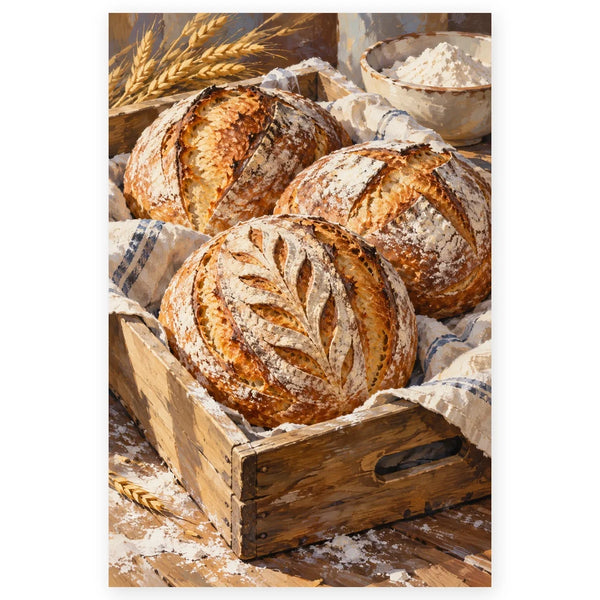
Sourdough Loaves Bakery Crate Paint by Numbers Kit
$29.99

Wood Fired Oven Sourdough Bread Paint by Numbers Kit
$29.99
