
Paint by Numbers Guides

A Creovia beginner guide
How to Paint Tangled Yarn in Paint by Numbers
For tangled yarn in paint by numbers, follow one visible strand to its next crossing and stop there. Confirm which printed shapes continue beyond t...
For tangled yarn in paint by numbers, follow one visible strand to its next crossing and stop there. Confirm which printed shapes continue beyond the crossing instead of joining every red or blue area into a single line.
Find a short strand you can recognize
In Black Cat Tangled In Red Yarn, red threads cross a dark cat and run toward a yarn ball. Start with an obvious piece beside the ball or body. Locate its number on the canvas before loading paint.
Work in short sections. The yarn may disappear behind a paw and reappear elsewhere; the hidden stretch is not an invitation to draw a new connecting line.

Check what passes in front
At an intersection, identify the printed edge of the upper strand and the small shapes around it. Two nearby red patches may be separated by fur, shadow, or background. Filling that separator with red can turn a crossing into a thick knot.
Use a tip that fits the narrow section and keep the paint load small. Turn the supported canvas if that gives you a steadier angle. Let adjacent wet areas dry as directed so a sleeve or hand does not smear the crossing.
Blue yarn needs the same careful reading
The Black Cat Playing With Blue Yarn artwork has a different tangle and ball position. Treat its actual numbered pattern as a new layout rather than copying the red design’s strand path.
The ball itself is made from curved light and shadow sections. Follow those shapes instead of drawing a spiral over the finished area. A dark gap can be as important to the ball’s form as the brightest strand.

Check a knot before correcting it
Step back to see whether the yarn stays separate from the cat. If a knot looks too solid, inspect the background and fur sections inside it before repainting the thread. Correct only the area you can identify from the printed guide.
Both examples currently offer 40 × 50 cm canvases with 24, 36, or 48 colors and No Frame, DIY Frame, or Framed options. The paint color-key guide helps when similar-looking colors make the next section uncertain.
Frequently asked questions
Should I paint a yarn strand in one long stroke?
Work only through confirmed printed sections. Stop at a crossing or hidden portion and identify the next visible part before continuing.
Why does my painted yarn look like a solid knot?
A background or fur section between strands may have been filled with yarn color. Check those separating shapes before repainting the thread.
Should I draw a spiral on the yarn ball?
Follow the numbered light and shadow sections first. An added spiral can replace the pattern intended by the artwork.
Are the red and blue yarn kits the same layout?
No. They show different cat, yarn, and ball arrangements. Both currently use a 40 × 50 cm canvas with color-count and frame-style choices.
Find your next project
Explore paint by numbers kits.
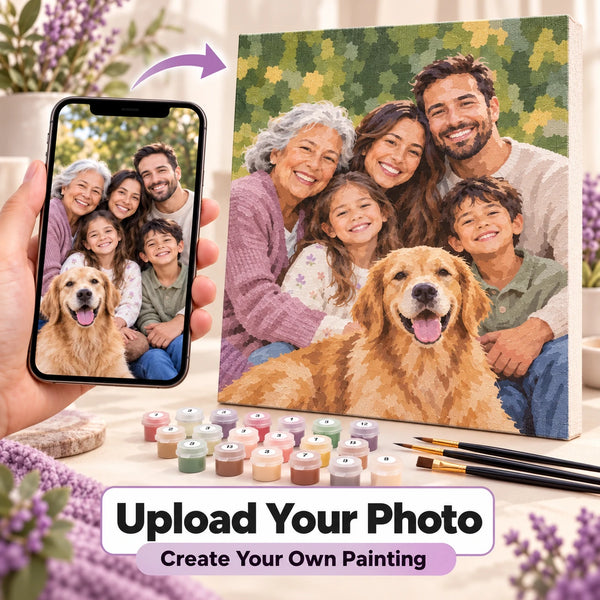
Custom Paint by Numbers Kit From Your Photo
$34.99

Bunny Tea Party Paint by Numbers Kit
$29.99

Moonlit Ocean Serenity Paint by Numbers Kit
$29.99

Tall Sailing Ship Golden Sunset Paint by Numbers Kit
$29.99

Herb Bundles in a Spell Kitchen Paint by Numbers Kit
$29.99
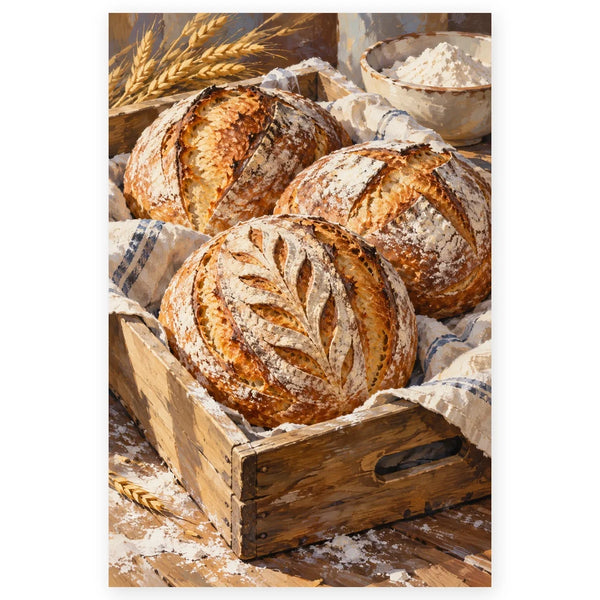
Sourdough Loaves Bakery Crate Paint by Numbers Kit
$29.99

Wood Fired Oven Sourdough Bread Paint by Numbers Kit
$29.99
