
Paint by Numbers Guides

A Creovia beginner guide
Two Numbers in One Paint by Numbers Area? What to Check
Check boundaries and the kit reference before painting an area that appears to have two numbers.
If two paint by numbers labels seem to sit inside the same area, stop before filling it. Look for a faint dividing line or a label that belongs to a neighboring narrow shape, compare the kit’s reference, and ask the seller if the chart remains ambiguous. Two numbers do not automatically mean you should mix two paints.

Check the boundary, not just the numbers
Place the dry canvas under even light and look at the whole shape from above. A very thin border can divide what first looks like one region. A small number can also be printed close to the edge of its own narrow section. Tilt your view or use a magnifier, but avoid pressing on or marking the canvas while you investigate.
Take a clear close-up photo before painting. Zooming in can help you follow a faint line; compare it with the actual print rather than relying on a heavy filter that might create or hide a line. Keep the relevant pots closed while you determine which shapes the labels belong to.
Compare the kit’s reference and instructions
If the kit includes a chart or reference image, find the same spot using nearby landmarks. Some references show a general finished image rather than every individual numbered boundary, so they may not resolve the ambiguity. Read any kit-specific directions before interpreting special markings; conventions can differ between suppliers.
Do not assume that two printed numbers mean equal parts of two colors, or that the lighter or darker pot must be correct. Mixing would change the supplied colors and can make a later correction harder. If you cannot confidently trace the boundary or match the reference, leave the area unpainted.
Ask for a kit-specific answer
Send the seller a clear photograph of the entire canvas and a close-up of the uncertain area, along with the kit name and the visible numbers. Keep the original paint pots and labels. Ask whether a corrected chart or specific instruction is available, and record the answer before resuming.
Return to the small shapes once confirmed
After you know the correct mapping, use the clean brush that fits the confirmed shape and paint with a small amount at a time. If a narrow area needs extra control, the Precision Detail Brushes set of six is one available option. A fine brush helps with placement; it cannot determine an unclear chart on its own.

Frequently asked questions
Do two numbers in one area mean I should mix the paints?
Not necessarily. Check for a faint dividing line and read the kit instructions; ask the seller if the mapping remains unclear.
Can the finished product picture resolve every unclear number?
Not always. A finished image may not show individual numbered boundaries, so use the supplied chart or ask for a kit-specific answer.
What should I send the seller?
Send the kit name, a photo of the whole canvas, and a clear close-up showing the uncertain area and its numbers.
Should I paint the area while waiting for a reply?
Leave it unpainted if you cannot identify the correct mapping; work elsewhere or pause until you receive guidance.
Find your next project
Explore paint by numbers kits.
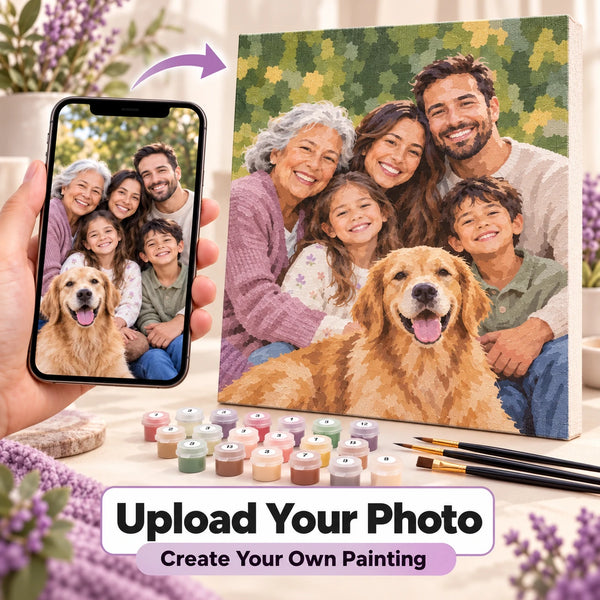
Custom Paint by Numbers Kit From Your Photo
$34.99

Moonlit Ocean Serenity Paint by Numbers Kit
$29.99

Tall Sailing Ship Golden Sunset Paint by Numbers Kit
$29.99

Herb Bundles in a Spell Kitchen Paint by Numbers Kit
$29.99
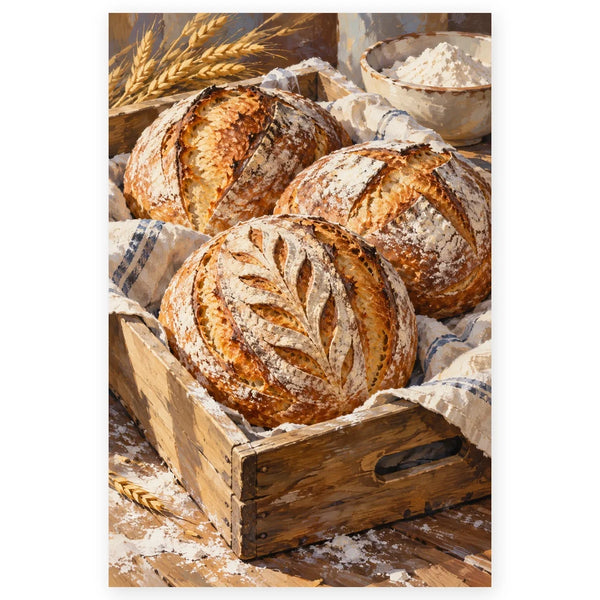
Sourdough Loaves Bakery Crate Paint by Numbers Kit
$29.99

Wood Fired Oven Sourdough Bread Paint by Numbers Kit
$29.99

Chalk Cliffs Sea Grass Paint by Numbers Kit
$29.99


