Diamond Painting Guides

A Creovia beginner guide
Why Are My Diamond Painting Drills Static? Causes and Fixes
A troubleshooting guide to drills that cling, scatter, or resist pouring, with dry, low-risk ways to improve handling.
A drill that clings to a tray or jumps from a bag can make a simple task feel messy. Static is one possible cause, especially when lightweight pieces rub against plastic, but it is not the only explanation. A few careful checks can improve handling without putting the canvas at risk.
What static looks like in a drill tray
Static can make lightweight drills cling to a plastic bag, jump toward a tray wall, or resist pouring in a neat line. Pieces may stick to fingers or move as a container tips. This is frustrating, but it does not automatically mean the drills or canvas are defective. Dry air, friction, and packaging materials can all contribute to the behavior.
Start by noticing where the problem occurs. If the drills cling mostly to one bag or tray, friction may be concentrated there. If several colors behave the same way, room conditions or repeated handling may play a part. Keep the area calm and clean while testing one change at a time, so you can tell whether handling has improved.
Use simple dry handling first
Set the tray on a stable surface and pour a small amount instead of filling it to the rim. Tilt the container close to the tray to avoid scattering pieces. A gentle tap may help drills settle; vigorous shaking can create more friction. If pieces cling to a bag, flex it gently rather than scraping with a sharp object.
Keep the canvas and adhesive dry. Water, sprays, oils, or household cleaners can leave residue or affect the kit materials. Do not apply an untested substance to drills, trays, pens, or canvas. If a manufacturer gives care directions, follow them. Otherwise, use dry, reversible steps: a different container, a smaller pour, and slower handling.

Check the tray and storage containers
Look for dust, lint, or residue inside the tray. Empty it and wipe it with a clean, dry, soft cloth if the material permits. Let it dry fully before use. A scratched or rough container may cause a separate handling issue, so inspect it before adding a coating or cleaner. Avoid abrasive pads that can leave fibers.
If the original packaging is awkward to pour from, transfer drills only into a clean, dry, clearly labeled container. Keep the color number with each batch; loose drills without labels can be harder to match than drills that cling. Store containers upright and away from open windows, pets, and children. Do not combine colors that only look similar under one light.
Adjust the room and your routine
Dry indoor air can make static more noticeable, though room humidity is only one factor. If the air feels unusually dry, a room humidifier may change comfort; keep it away from the canvas, labels, and electrical tools. Never mist the kit directly. If you do not have a humidifier, reduce fast rubbing and avoid repeatedly pouring drills between plastic containers.
Frequent handling can create friction and make spills more likely. Return each color to its labeled container before opening another. A small tray and fewer open packages make the process calmer even if some pieces still cling. The diamond painting collection shows current designs and listed sizes if you are choosing a project and want to compare kit details first.
Why quick fixes can backfire
Adding water or household products is tempting, but it can create a larger problem than static. Moisture may affect paper or adhesive, while oils and powders can transfer to a canvas or pen tip. Unless the kit instructions recommend a specific substance for a specific tool, keep it out of the work area.
Scraping drills from a bag with a metal edge or pressing hard on the tray can scratch plastic or damage a drill. Use a tool only if the kit maker recommends it. If a bag is sealed awkwardly, open it over a larger clean surface and pour slowly. Re-label the drills before returning them to storage.
Tell static from another issue
Drills that stick together may be statically charged, but clumping can also come from residue, moisture, or a dirty container. Check whether the pieces feel tacky or show visible material. If they appear coated or damaged, do not try to clean them with solvents; contact the seller or use the product’s support instructions.
If the pen stops picking up drills, the cause may be its pickup material or the drill’s position rather than static. Refresh the material as directed and test one piece. For general tool guidance, read the step-by-step diamond painting guide and check the instructions supplied with your kit. Avoid forcing a tool that does not fit.

Keep the project protected
Managing static should not mean leaving large areas uncovered. Work in a small section, keep the release cover over the rest, and set containers where they cannot tip onto adhesive. If a few drills escape, collect them from the clean surface before they reach the canvas or mix with another color.
At the end of a session, close labeled containers and clear the tray. Note which color you were using if you plan to continue later. These habits reduce spills and mix-ups even when static remains. A useful result is being able to pour, place, and store drills without contaminating the canvas or losing their labels.
A short troubleshooting sequence
When static appears, pause and reset: empty and dry the tray, try a small pour, reduce rubbing, inspect the package, and change only one variable at a time. If handling improves, keep that method for the next color. If static persists across clean containers, contact the kit seller with the product and packaging details rather than testing a chemical fix.
Some static may still occur with lightweight materials and dry conditions. You do not need to chase a drill across the table with a sharp tool. Guide pieces gently toward the tray center, return them to labeled storage, and keep the adhesive clear. A patient, dry routine protects the artwork while helping you narrow down why the drills were sticking.
Find your next project
Explore diamond painting kits.

Colorful Village Street Diamond Painting Kit
$23.99

Santa Hug Reindeer Diamond Painting Kit Christmas
$23.99

Tropical Hibiscus Queen Diamond Painting Kit
$23.99

Tropical Macaw Hibiscus Diamond Painting Kit
$23.99

Pink Dragon Cherry Blossom Pagoda Diamond Painting Kit
$23.99

Blue Hydrangea Village Diamond Painting Kit
$23.99
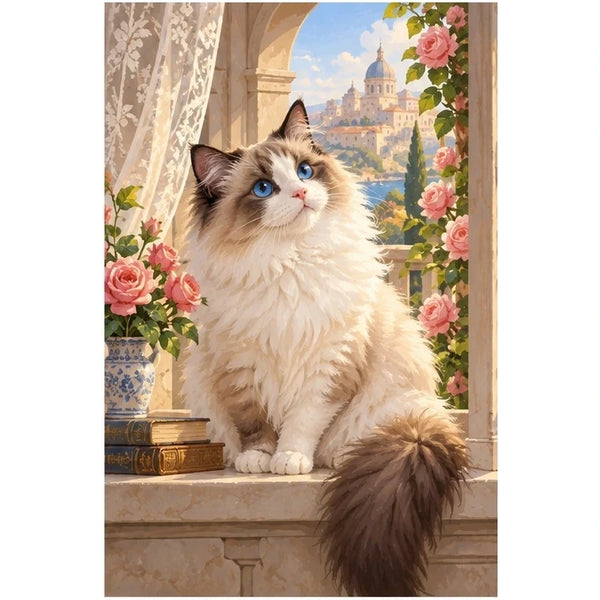
Ragdoll Cat Rose Window Diamond Painting Kit
$23.99